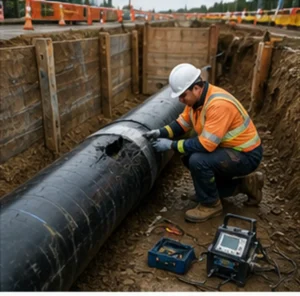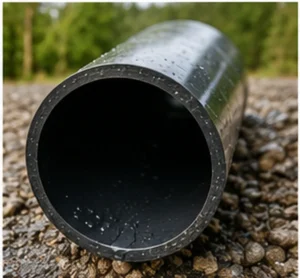
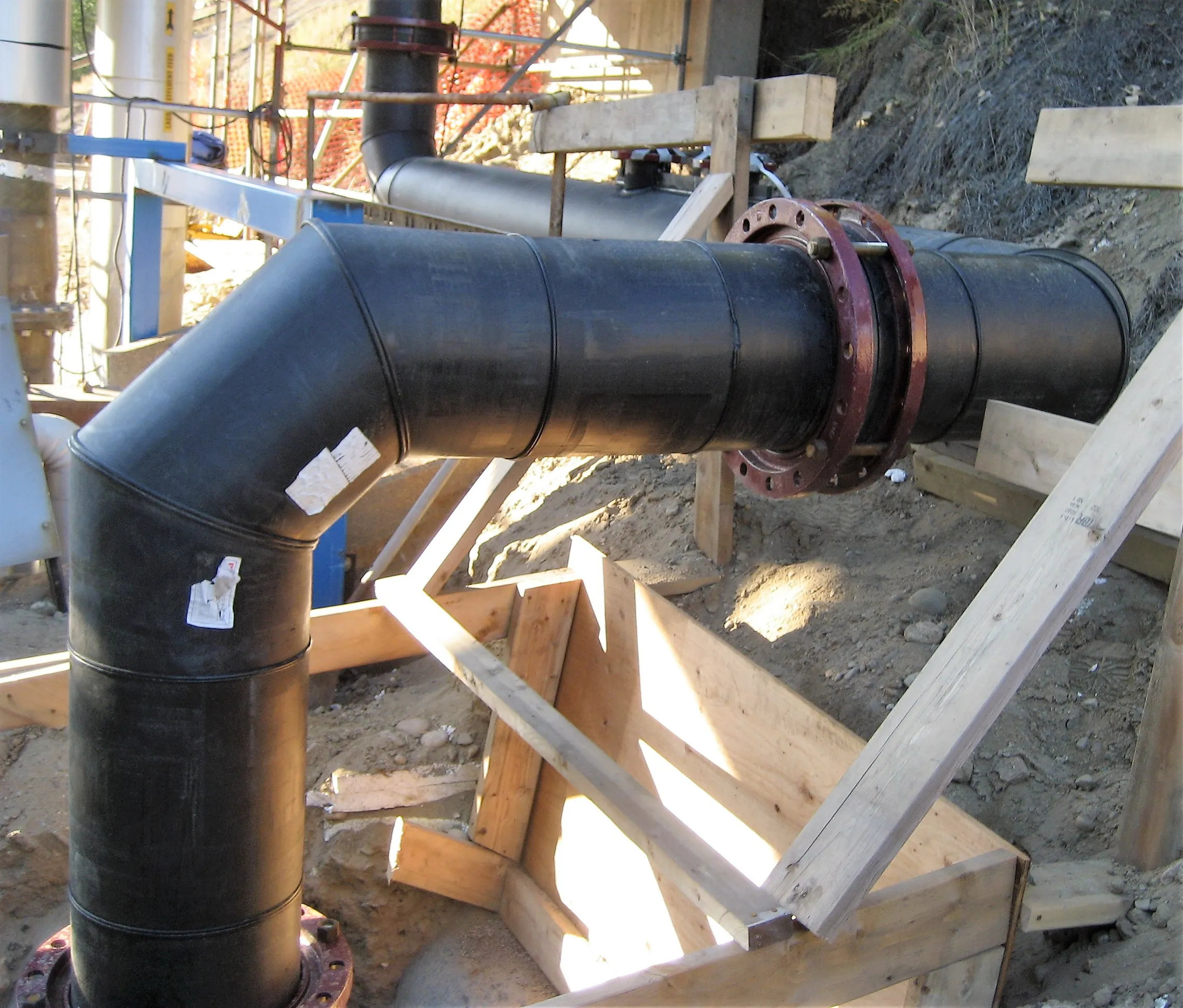
High-density polyethylene or HDPE has gained popularity in industrial applications because of its outstanding qualities that mix durability and cost-effectiveness. HDPE is well known for its strength and flexibility in different climatic situations. This is commonly used in industries such as transportation and construction.
HDPE provides many benefits and this makes it the best material for industrial applications. In this article, we will uncover the advantages of HDPE in industrial applications as well as focus on its strengths among other key features.
What is HDPE?
HDPE’s are petroleum-based thermoplastic durable polymers. They are firmer than other types of polyethylene known for having a thick molecular structure. Its excellent mechanical qualities make it a popular choice for a variety of industrial applications, including pipelines, containers, and building materials.
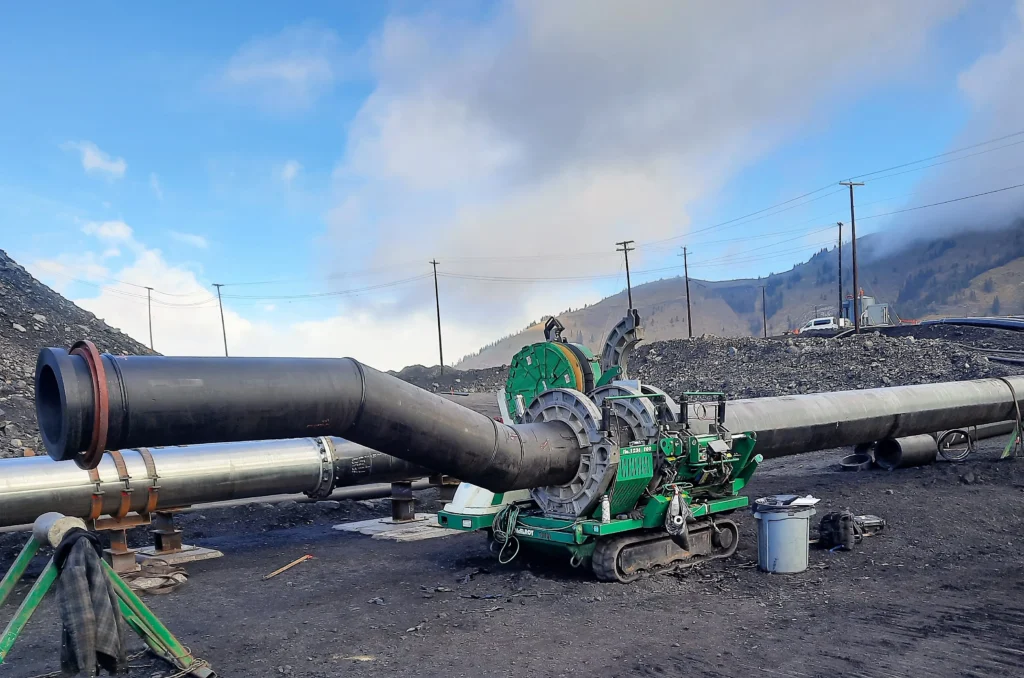
The Benefits of Industrial HDPE Applications
HDPE has many benefits and this is why it is the ideal material for industrial applications. We will discuss some of the primary benefits of using HDPE in factories below.
Durability and Longevity
A key reason for HDPE’s growing popularity for industrial purposes is its exceptional durability. HDPE’s remarkable resistance to abrasion, impact, and physical wear makes it ideal for situations involving heavy-duty use. For example, in plumbing systems, HDPE pipes may endure dangerous situations like high pressure or extremely high temperatures for decades without noticing any degradation.
Chemical Resistance
HDPE is popular for its outstanding resistance to a wide variety of chemicals. Its reliability in this area is why so many facilities rely on the benefits of HDPE fabrication for chemical processing. It has the ability to endure chemical exposure without losing structural integrity.
Strength-to-Weight Ratio
The high-strength plastic weight ratio of HDPE is another important advantage. Since its exceptional strength, HDPE is ideal for factories where weight and strength are critical concerns. In sectors like construction, where materials must be manageable and long-lasting, this is a very useful solution.
Cost-Effectiveness
A common reason for choosing HDPE over other materials like metals or other polymers is its affordability. HDPE’s relatively affordable production costs contribute to its low total cost of use in industry. Beyond its cheap cost of production, HDPE saves even more money because of its lifespan and durability. HDPE is a desirable choice who is trying to reduce total operating costs without sacrificing performance or quality.

Environmental Benefits
This reduces the impact of garbage on the environment. HDPE also is frequently made from recycled plastic, which further reduces the need for new raw materials and lowers production energy use. HDPE is a great choice for people who value sustainability since it decreases carbon emissions and encourages sustainable behavior.
Flexibility in Manufacturing
HDPE is highly adaptable and can easily be molded into different shapes and sizes to meet specific needs. This adaptability makes it easy for manufacturers to make products with precise specifications. As a result, this leads to a more effective production process and low material waste. On the other hand, the ease of custom HDPE fabrication also contributes to its availability in multiple industries.
Water and Moisture Resistance
HDPE is the perfect material for use in damp or humid situations. This natural resistance is why it is often chosen for dual containment HDPE pipe systems, ensuring that even in moisture-heavy environments, the integrity of the containment is never compromised.
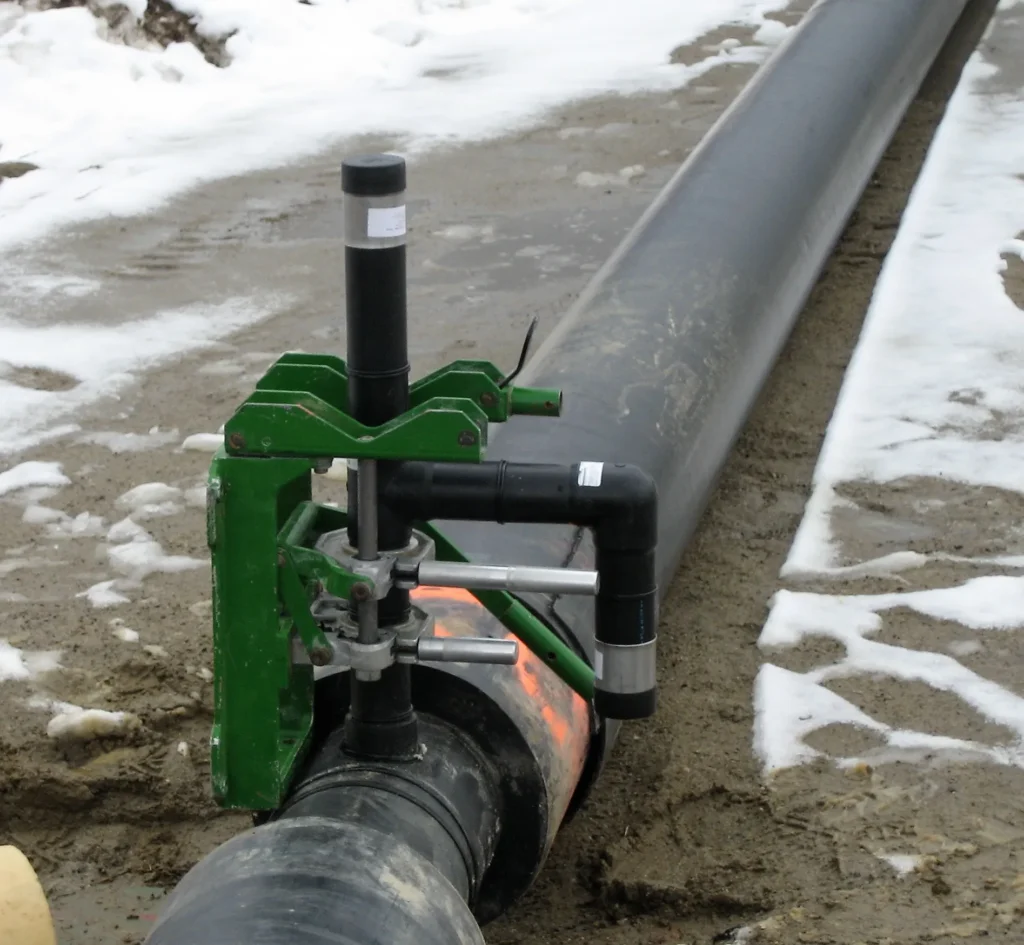
UV Resistance
Exposure to ultraviolet (UV) radiation from the sun may degrade and destroy many metals over time. HDPE is naturally resistant to UV radiation, enabling it to withstand long sunlight exposure without losing strength or function. HDPE is suitable for outdoor applications where the material must be resilient even if exposed to intense sunlight. Furthermore, HDPE’s durability to UV radiation reduces the need for additional protective coatings or treatment.
A Reliable Choice for Modern Industrial Needs
HDPE has grown in popularity because of the advantages of HPDE in industrial applications. Its ability to endure extreme environments, resist chemicals, and keep strength while being lightweight makes it an attractive option for businesses throughout the world.
If you are looking for professional solutions to integrate these materials into your operations, visit WGS Plastic Services to learn more about our custom fabrication and piping expertise.