3809B 53rd Ave
Lacombe, AB
Services
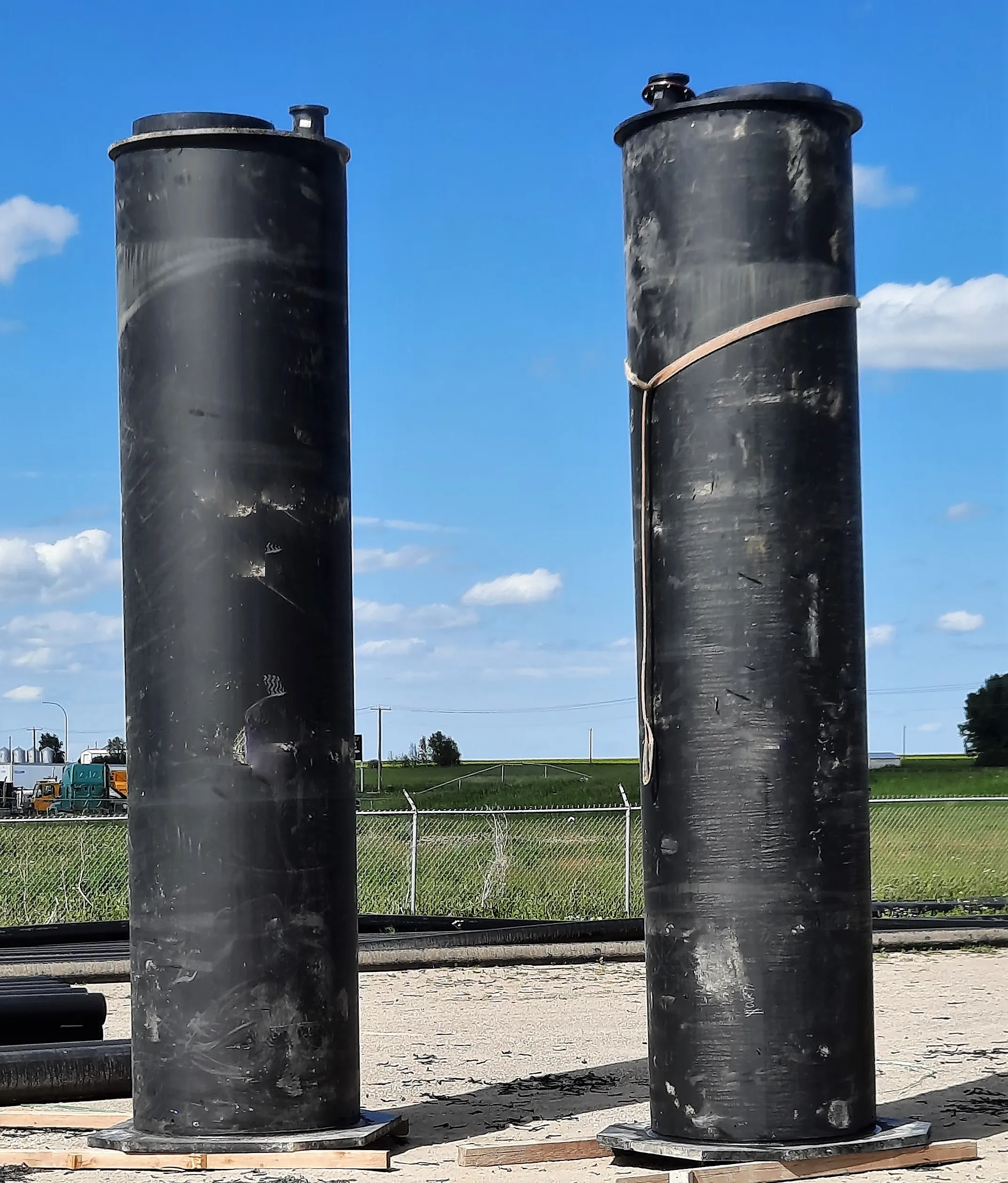
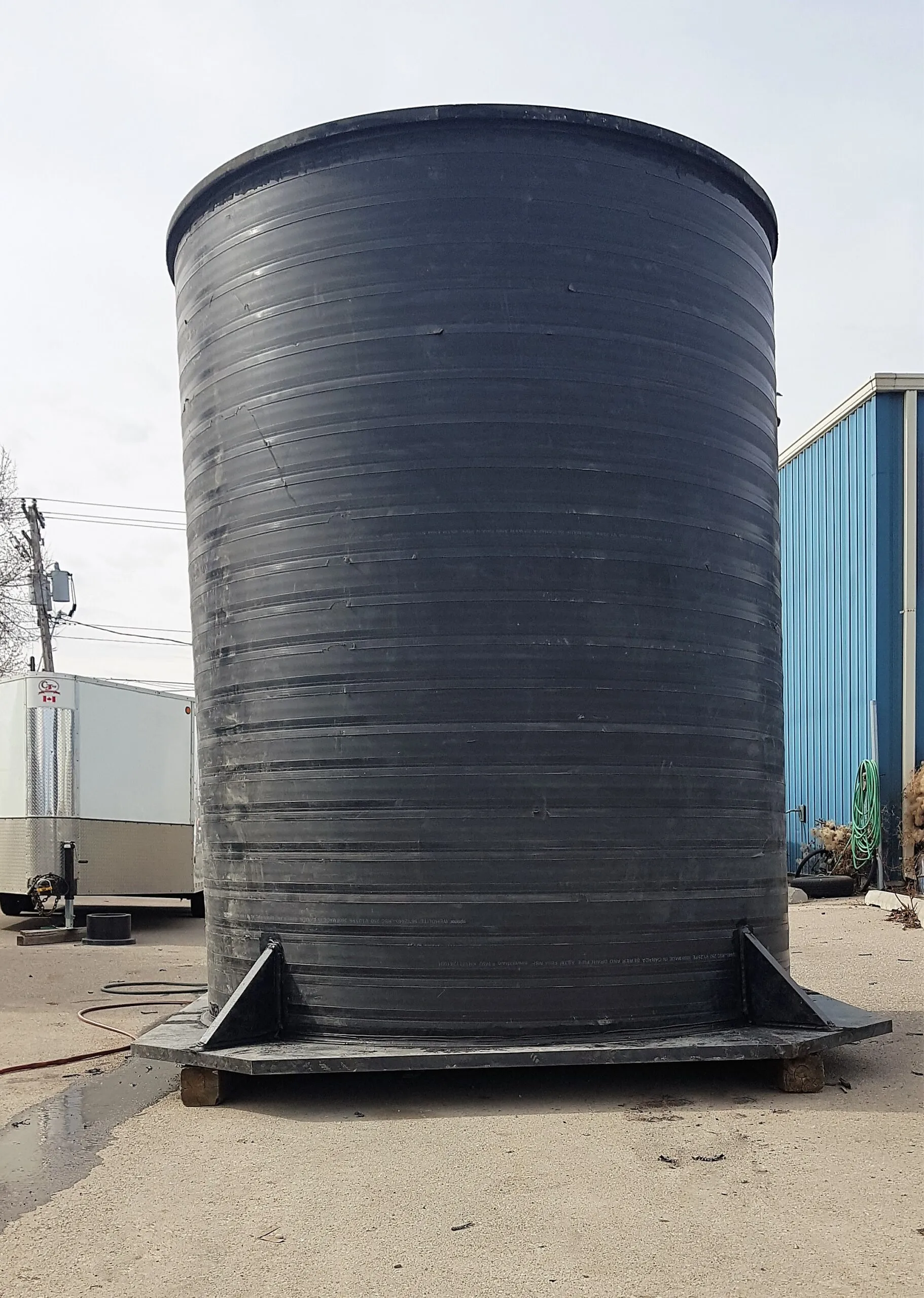
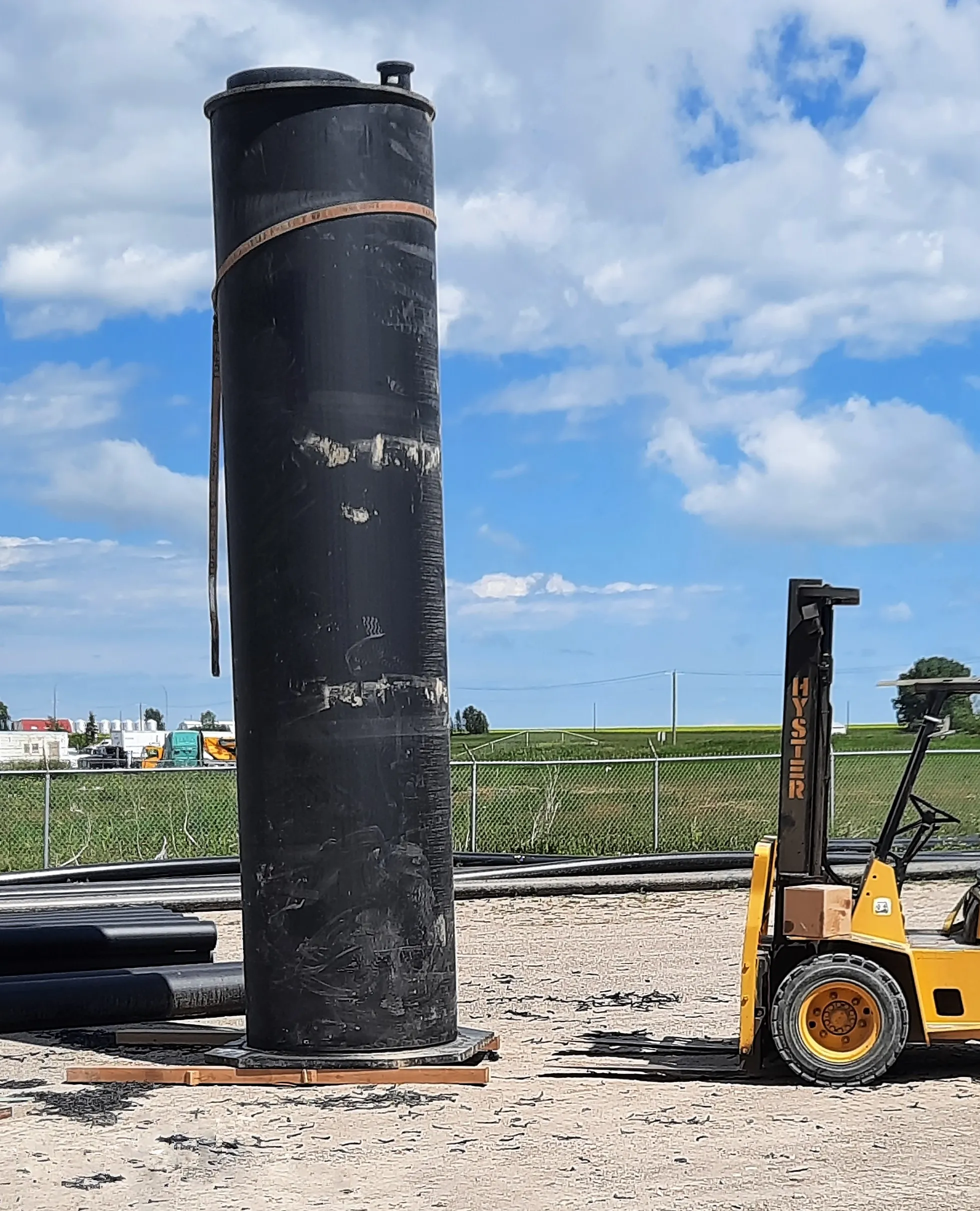
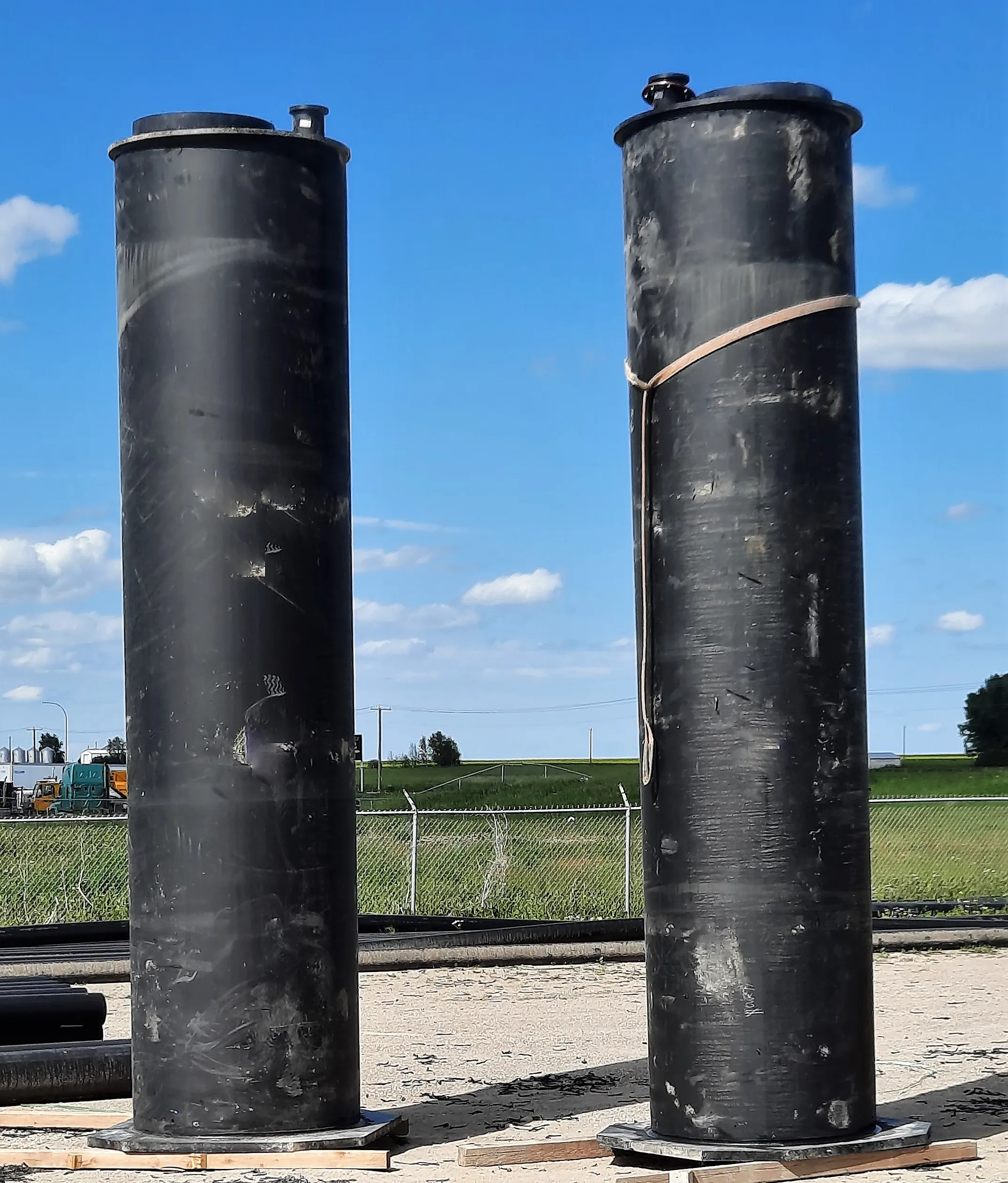
One of the more complicated and difficult structures in HDPE fabrication is the Manhole. The Technical Staff and fabricators at WGS Plastic Services have worked on supplying countless HDPE manholes in the past. We understand how important it is to get pipe alignment, inverts, and rim elevations set with precision for your jobs.
We know how many countless variables there are to designing and building the HDPE manhole and we can help you with your design needs to determine what is best for your application. Some of the typical things we come across with the HDPE Manholes are as follows:
To provide you with all the essential information you need to know about custom High Density Polyethylene (HDPE) Manholes we have compiled the following answers to the questions that are typically asked by our customers. From understanding what they are and how they’re made, to exploring their applications, sizes, attachment methods, and lid options. We’ve got you covered. Whether you’re involved in municipal infrastructure, industrial projects, or utility management, this FAQ will equip you with insights into the world of custom fabricated HDPE manholes.
Frequently Asked Questions
Insulating your pipes serves several purposes. One primary reason is to prevent heat loss or gain in fluid transmission systems, ensuring that the contents maintain their desired temperature. Insulation also helps protect the pipes from external environmental conditions, such as moisture and extreme temperatures, which could compromise the integrity of the pipes.
HDPE is commonly insulated with materials like polyurethane foam or expanded polystyrene (EPS) foam. These insulating materials provide thermal resistance and help maintain the temperature of the fluid inside the pipe.
Custom manholes are used in a variety of applications, including municipal sewer and drainage systems, industrial wastewater management, water treatment facilities, utilities, telecommunications, electrical conduit access, and other underground infrastructure projects.
The size of a custom HDPE manhole can vary depending on the design requirements, and intended usage. These manholes can be tailored to fit specific dimensions, ranging from the smaller inspection manholes to the larger structures capable of accommodating personnel and equipment.
Custom manholes with HDPE can come in various sizes, typically ranging from small diameters (e.g., 18 inches) to larger ones (e.g., 72 inches all the way up to 120 inches). To meet unique project needs, allowing for a wide range of dimensions and specific access and utility requirements.
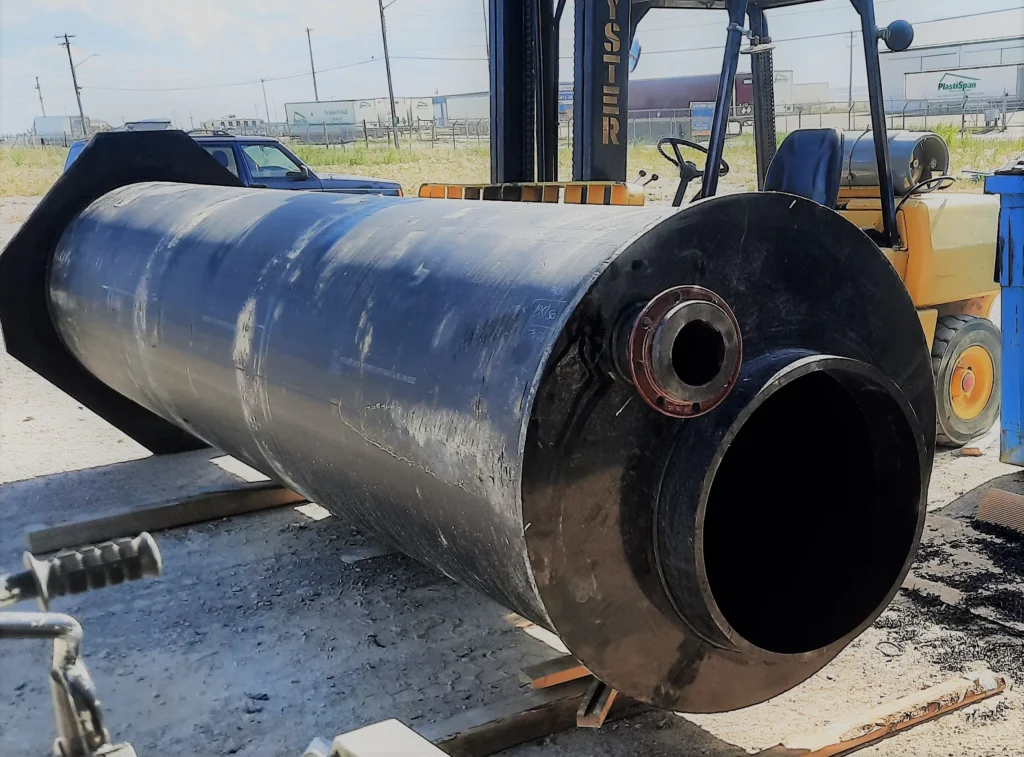
Custom manholes with HDPE can come in various sizes, typically ranging from small diameters (e.g., 18 inches) to larger ones (e.g., 72 inches all the way up to 120 inches). To meet unique project needs, allowing for a wide range of dimensions and specific access and utility requirements. connect additional pipe to the manhole by a variety of methods. The most common method is by flange connections, mechanical couplers or electrofusion couplers.
Custom plastic fabrication lends itself to a diverse array of structures, including but not limited to:
Tanks and Containers: Plastic is commonly used to craft tanks and containers for industries like chemical processing and water treatment.
Pipes and Ducts: Plastic fabrication produces pipes and ducts for applications ranging from plumbing to ventilation systems, and many more.
mechanical couplers or electrofusion couplers.
Custom fabrication draws from a wide range of thermoplastics to suit various needs, including:
PVC (Polyvinyl Chloride): PVC’s versatility makes it suitable for products like pipes, electrical conduits, and vinyl siding.
CPVC (Chlorinated Polyvinyl Chloride): With enhanced heat resistance, CPVC is commonly used for hot water systems and industrial applications.
Polypropylene: Resistant to chemicals and heat, polypropylene finds use in laboratory equipment, automotive components, and more.
ABS (Acrylonitrile Butadiene Styrene): ABS offers a balance of strength and rigidity, making it suitable for consumer electronics, automotive parts, and beyond.
Acrylic: Known for its transparency and versatility, acrylic is often used for displays, decorative structures, and medical equipment.
Polycarbonate: This durable material is employed in items requiring impact resistance, such as safety goggles and protective covers.
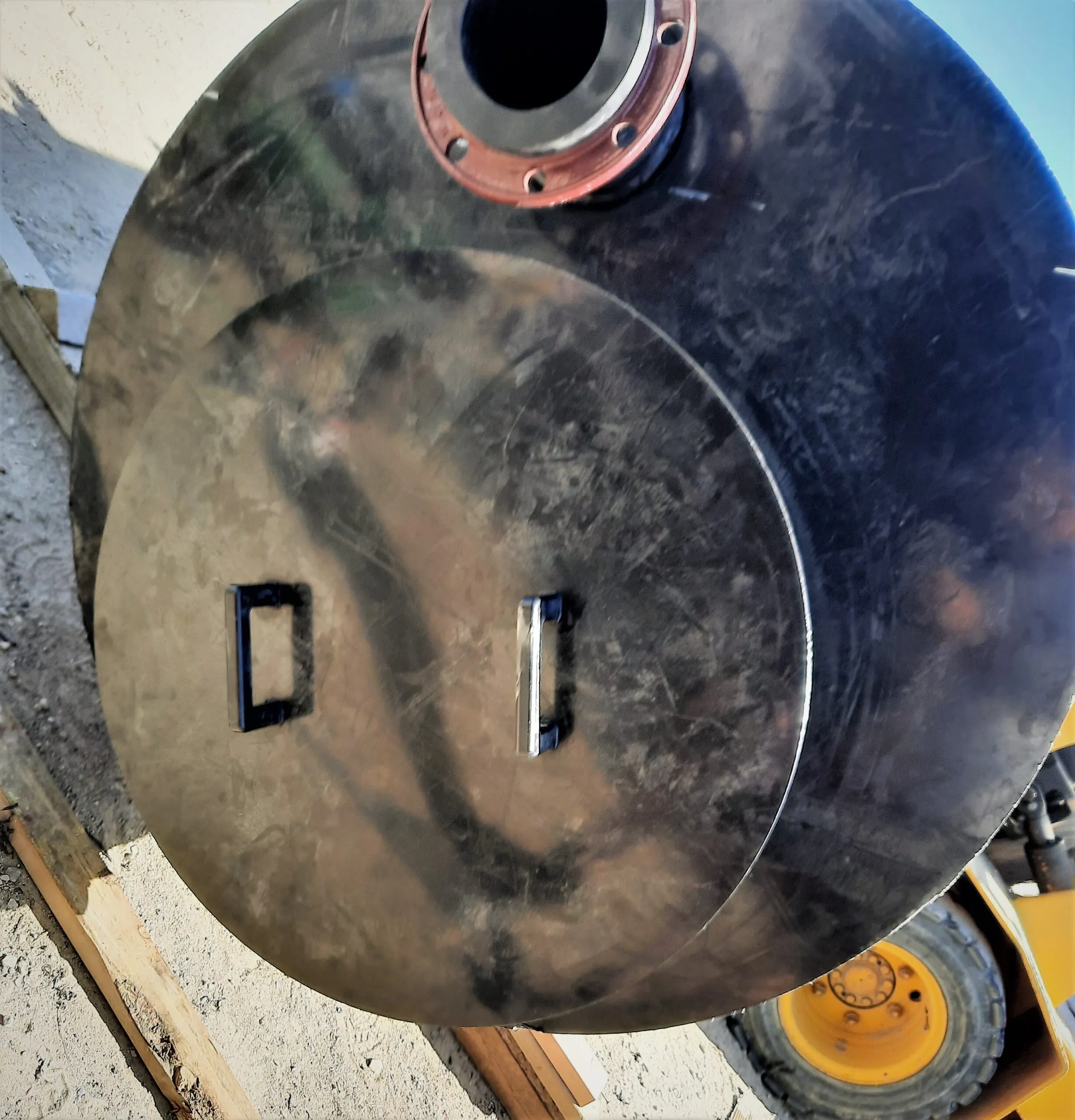
Custom manholes can have various types of lids or covers depending on the intended use. Common lid options include solid HDPE covers, with custom handles or other accessories, for use in NON-TRAFFIC locations When these manholes are intended for any kind of traffic loading areas, addition loading support must be added, such as a concrete apron which removes any bearing load away from the HDPE lid. Get a quote for your custom HDPE manhole project today.
Contact Us
By following these steps, we can create a custom HDPE manhole that meets the specific requirements of your project while capitalizing on the benefits of HDPE as a durable and versatile material.