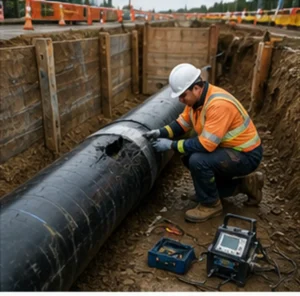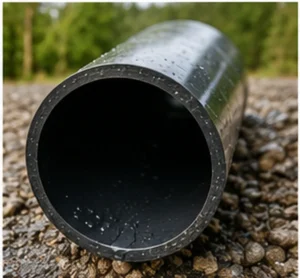
Benefits of HDPE Fabrication for Chemical Processing
Chemical processing demands durable, corrosion-resistant materials. People want products that will last longer without any damage. HDPE is becoming the new superhero for the chemical processing industry. It can give you safe and durable results at an affordable price rang.
HDPE, or High-Density Polyethylene, is a strong plastic used for many things. It’s useful in chemical processing. Find everything about the benefits of HDPE fabrication for chemical processing here. Keep reading till the end and find your answers.

What is HDPE?
HDPE or high-density polyethylene, is a type of plastic made from petroleum. It is strong but lightweight. This material doesn’t react with a lot of chemicals. This thermoplastic polymer is perfect for storing and transporting substances safely.
How is HDPE Made?
The main thing in this process is polymerizing ethylene. It is basically known as the gas that comes from natural gas or petroleum. Polymer chains can give you high molecular plastics. And to create this, you need to use catalysts and pressure.
The Key Benefits of HDPE for Chemical Processing
HDPE is the best material for chemical processing. You can handle most chemicals with this material. Here are the benefits of HDPE fabrication plastic in chemical processing:
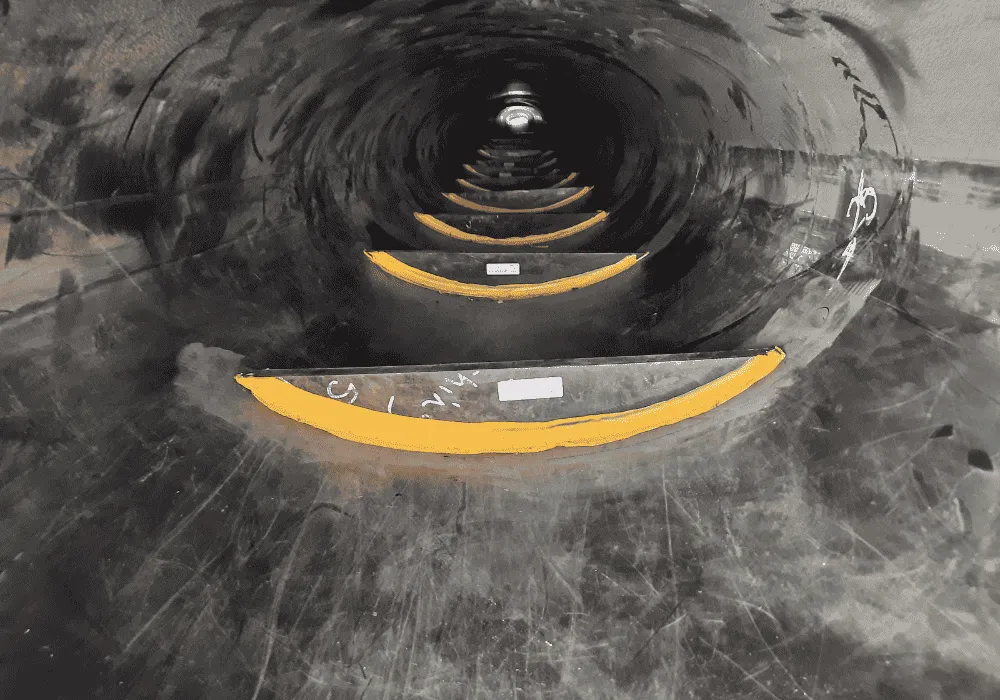
Chemical Resistance
HDPE can handle exposure to a wide range of chemicals, like acids and bases. It is perfect for storing and transporting chemical substances without risk of damage. Its ability to resist corrosion gives longevity and reliability in chemical environments.
Durability and Strength
HDPE is lightweight and durable. It can handle anything without cracking or breaking. As a result, it reduces the need for frequent replacements. Anything made from HDPE can handle the daily use in chemical processing plants.
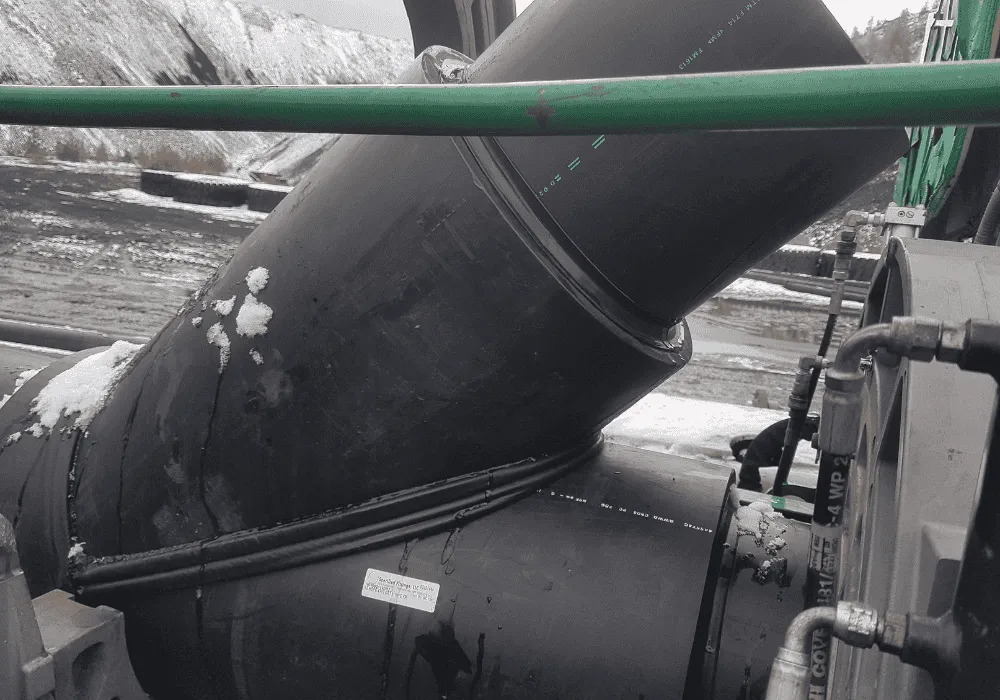
Flexibility
You can blend HDPE without breaking it. This property is useful in piping systems where you might have more movement or shifting. Flexible pipes can change and offer safe performance.
Low Moisture Absorption
This chemical processing stops contamination and maintains purity. The HDPE is mainly popular for its low absorption and quality. This means that HDPE maintains its strength and shape in every weather.
Recyclable and low-cost
You can recycle the HDPE, melt it, and reform it into another product. Make new containers, piping, and other products with HDPE mechanical recycling. This material is also budget-friendly. Products made from these materials last long. As a result, it will save your repair and replacement costs.

Common Industrial Applications of HDPE in Chemical Processing?
In today’s world, many industries are favoring HDPE for most products. Here are some of the most common uses for you:
Storage Tanks
You can fabricate tanks for chemicals with HDPE. It can store substances so that it remains uncontaminated. These tanks can safely hold different chemicals, from acids to bases, without degrading.
Piping Systems
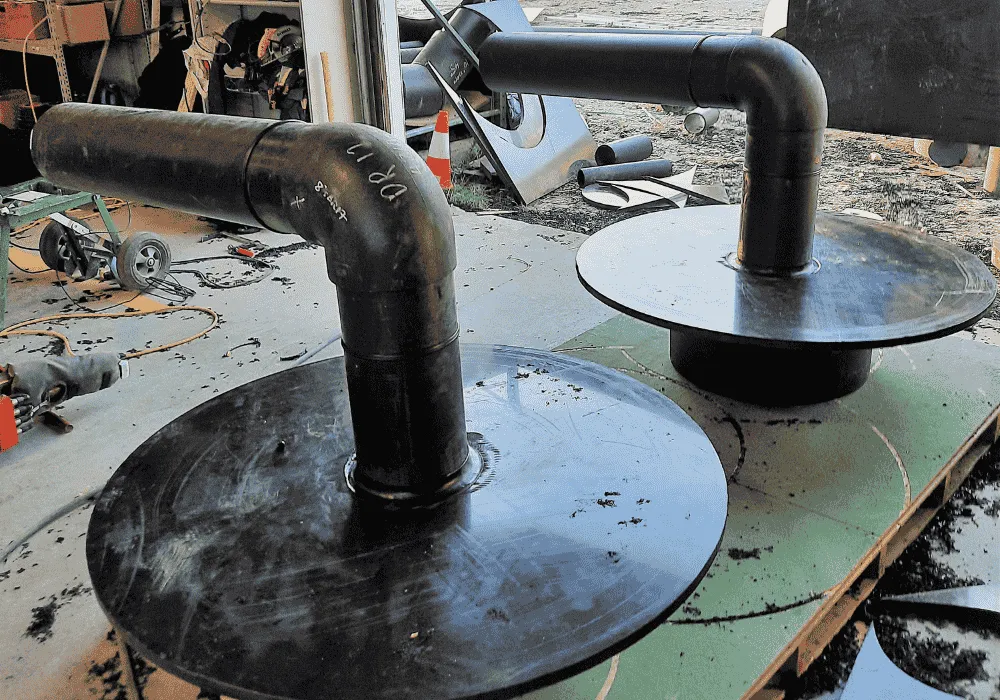
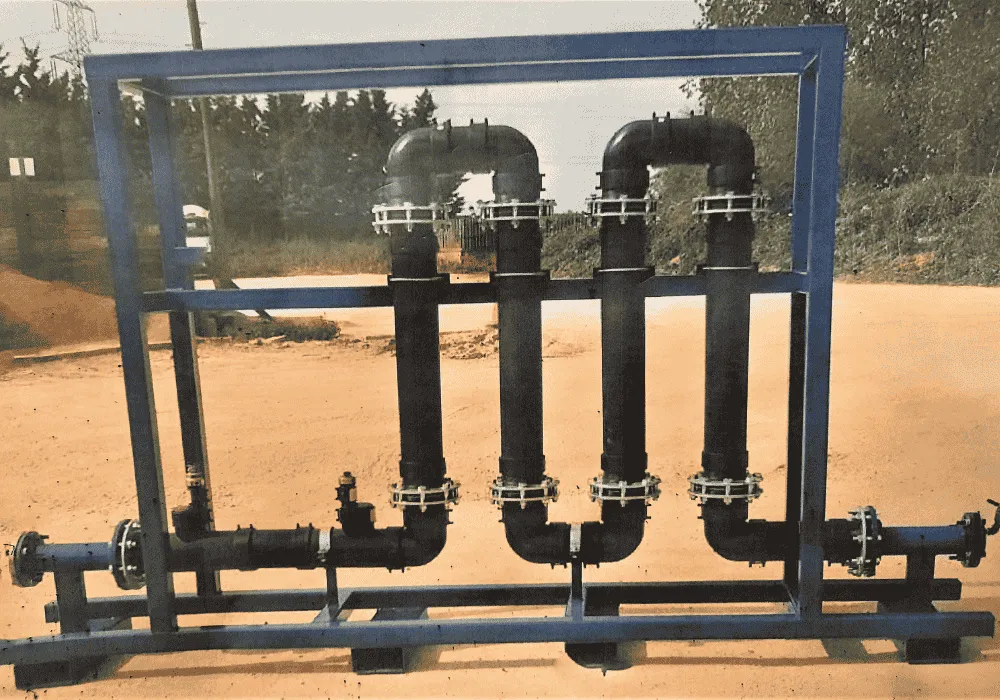
HDPE pipes are popular in chemical processing plants. One of the benefits of HDPE pipes is their flexibility. Their strength makes them perfect for transporting chemicals safely. They reduce energy costs associated with pumping fluids.
Processing Equipment
Many machines in chemical plants use HDPE parts. HDPE is strong, so machines work well even in tough conditions. It helps mixers, reactors, and other machines run safely and smoothly.
The Future of HDPE for Chemical Processing: More Amazing Things to Come!
Scientists and engineers want to create stronger, greener, and smarter versions of HDPE. Here are some exciting new ideas shaping the future of HDPE:
HDPE as Biodegradable
Scientists are working on a new type of HDPE that can break down faster. This biodegradable version will still be strong and useful. But it won’t stay in the environment forever. Instead, it will slowly break apart into harmless materials over time. It could be one of the best benefits of HDPE fabrication for chemical processing.
Greener HDPE Options
For the future, there is a plan for bio-based HDPE. It will be made from plants like corn and sugarcane. These materials grow back over time. Bio-based HDPE looks and works just like regular HDPE but has a lower carbon footprint.
This means less pollution and a cleaner planet! In the future, it might be mostly used in things like food packaging and disposable products.
HDPE Fusion
HDPE fusion technology can join two HDPE pieces without glue or extra materials. Fused HDPE has no weak spots like leaks or cracks. This makes it perfect for things like water and gas pipelines. We are already using HDPE fusion in some industries, but new techniques can make it even better.
Conclusion
You will find many benefits of HDPE fabrication for chemical processing industries. Its chemical resistance, durability, flexibility, and cost-effectiveness make it an excellent choice. You can get safe, long-lasting service and save the green planet with HDPE.
With the changing technologies, you can hope to find new innovations in HDPE. Did this blog give you all the information that you were looking for? If yes, then do not forget to leave a comment.
FAQs
What is the main benefit of using HDPE fabrication for chemical processing?
The main benefit of using HDPE is that it is 100% recyclable. Many packaging industries are using HDPE as their main material, as it is easy to customize.
Is HDPE good for chemical processing?
HDPE is resistant to most acids and bases. As a result, these are best for construction environments to avoid any kind of accidents.
What is HDPE most commonly used for?
People use these for shampoo bottles, toys, containers, pipe systems, and more.
Which is better when it comes to HDPE vs PVC?
HDPE is more resistant to damage from water and fatigue. It is more weather-resistant and lasts longer.
Does HDPE cost more?
HDPE is affordable, and it helps to save money on repairs and replacements. Most of the industries use this because of how much it can save.