
When transporting, knowing what type of pipe is used for natural gas in installations is important. Especially if you’re thinking about safety, you must know the kinds of pipes you’re handling.
The efficiency also depends on the right material. Natural gas pipes must be resistant to high pressures, leak-free, and strictly adhere to regulations. So, this article will focus on their applications, advantages, and suitability for underground systems.

Why It Matters?
Choosing the right pipe for your natural gas system has a big impact. It affects safety, lifespan, and maintenance needs. So, what type of pipe can be used for natural gas? It depends on several factors.
Pressure, location, and the environment are all determining factors that help narrow down the best material. Moreover, getting the right pipe leads to long-term reliability.
Types of Pipes Used for Natural Gas
The most common question people ask is, “What type of pipe is used for natural gas lines”? Different pipes are available that could be used to transport natural gas.
Here’s a look at the key features of the most common types of pipes used in natural gas installations.

1. Steel Pipes
Steel pipes are a traditional choice for natural gas lines. They are durable and can handle high pressure. These pipes also resist physical damage. Let’s discuss some of it’s important features:
Durable and Long-Lasting
They are made to withstand the impact of physical damage and abrasion. They continue to endure even after decades with proper maintenance. This provides reliability and peace of mind.
Handles High Pressure
Steel pipes are useful where high pressure is involved. These pipes are designed to handle significant loads. You may often use them in industrial and commercial systems.
Commonly Used
While wondering what type of pipe is used for natural gas, know that steel is the standard material among others. It was popular in older homes and buildings. However, newer materials have emerged in recent years.

2. Flexible CSST Pipes
Another flexible substitute for steel is CSST – Corrugated Stainless Steel Tubing. It is lightweight and is easy to install.
Because of this, CSST is used a lot in both homes and businesses. They don’t need to use their joints as much because they are flexible. So, there may be less of a chance of leakage.
Easy to Install
The flexibility of HDPE makes it easier to install around obstacles. Since it can bend without breaking, it requires fewer joints, which lowers the risk of leaks. If you are preparing for a project, ensure you follow best practices on how to install HDPE pipe to maximize the system’s longevity.

3. Polyethylene Pipes for Underground
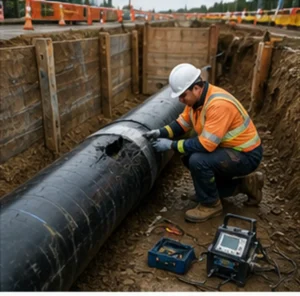
Are you trying to find out what kind of pipe is used for natural gas underground? Keep in mind that in this scenario, polyethylene pipes come into the picture at first. Such plastic pipes do not corrode, and they are flexible. That’s why these pipes are suitable for underground installations.
Perfect for Underground Installations
The pipes are designed for underground projects and work perfectly, especially in moist areas. Unlike metal, PE does not rust or corrode, which makes it perfect for underground use.
Lightweight and Easy to Installation
PE pipes are lightweight to handle and install. Since they are flexible, they can run for long periods of time. This means that there is less need for various joints, which lowers the risk of leaks.
Residential and Commercial Applications
Polyethylene pipes are the most common pipe types. They are approved for residential and commercial natural gas applications. But before choosing them, always check your local regulations and make sure they meet the set safety standards.
4. HDPE Pipes for Natural Gas
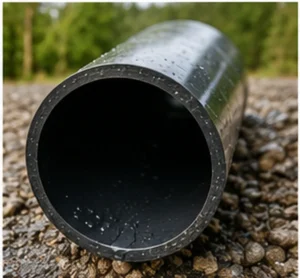
So, what type of pipe is used primarily for natural gas installations? High-density Polyethylene (HDPE) pipes are a perfect choice, particularly for underground systems. When planning your layout, it is essential to review standard HDPE pipe dimensions to ensure compliance with project requirements. Their unique features include:
Durable and Corrosion-Resistant
HDPE pipes resist wear and tear, and they can handle exposure to harsh conditions. These pipes last for decades with little degradation. They offer long-term reliability for natural gas systems.
Flexible and Easy to Install
Like PE pipes, HDPE is going to be a flexible choice for you. This makes it easier to install around obstacles. Since it can bend without breaking, it needs fewer parts. It also lowers the risk of leaks.

5. Dual Containment Pipes for Extra Safety
In high-risk installations, dual containment pipes add safety. These pipes feature two layers. The inner pipe is meant to carry the gas, and the outer pipe is meant to act as an extra barrier.
Extra Layer of Safety
The dual containment pipes provide extra safety. They are made in a way so that there is less chance of a leak in specific places since a leak could pollute the environment.
Leak Detection Systems
Some dual containment pipes come with leak detection sensors. These sensors are between the two layers, which alert operators of any potential breaches. This will provide you with added security.

Let’s Keep Your Gas System Safe and Reliable
The right choice of pipes is very important for the safety and usefulness of natural gas supply lines. Whether steel, CSST, polyethylene, or HDPE, make sure you’ve researched enough about them before choosing one. It will ensure that you’re getting safety, reliability, and efficiency in operations.
If you are still not sure what type of pipe is used for natural gas, then contact a professional service. The experts will provide professional advice and quality material. The right company will be delighted to help you maintain your natural gas system in perfect working order.