Selecting the right material for industrial applications is important. Industrial polymers such as plastics are everywhere. Custom HDPE is a very useful, long-lasting, and cost-effective choice among all. But how does it compare to other plastics?
In this informative guide, we will compare custom HDPE vs. other plastics. We’ll discuss why it’s a popular choice for many sectors. Let’s compare and understand the different roles of thermoplastics in industrial sectors.
What is Custom HDPE?
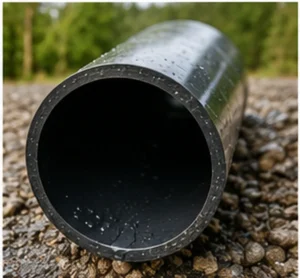
High-density polyethylene, or HDPE, is a type of plastic known for its strength. It is also known for its durability and chemical resistance. It often gets customized to meet expected industrial demands. It is more flexible than regular HDPE because of this.
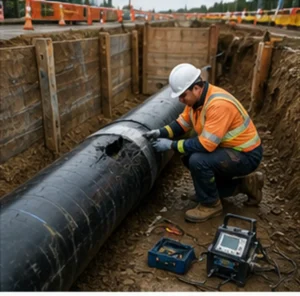
Custom HDPE is perfect for many applications because of its strength and low weight. It will endure extreme circumstances, impact resistance, and exposure to moisture and chemicals. These features make HDPE useful for making pipes, containers, and machine parts.
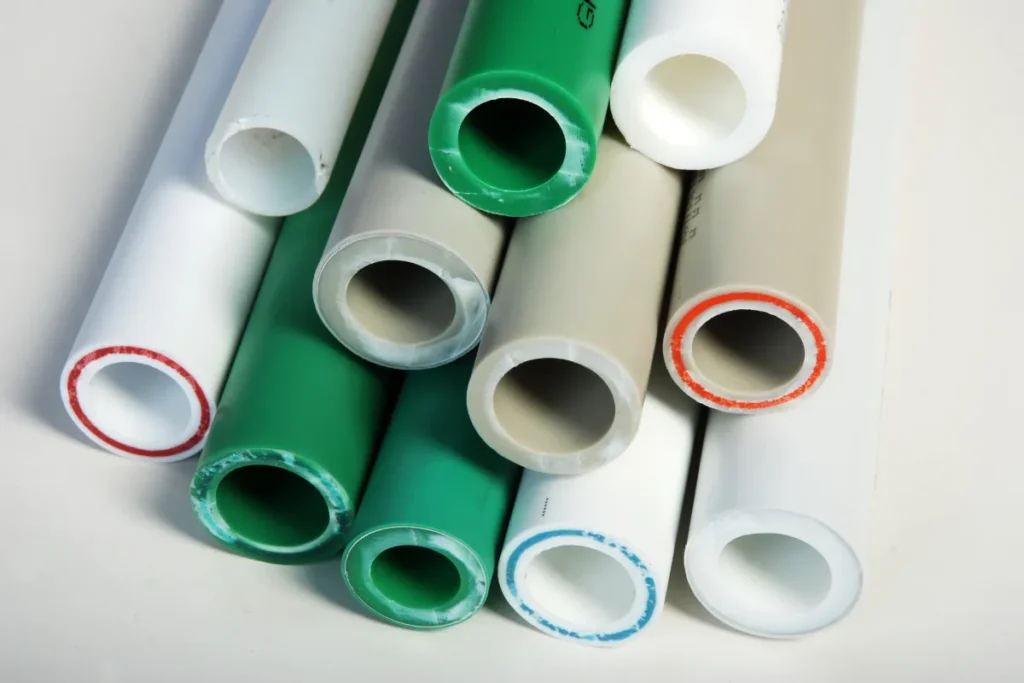
Thermoplastics Comparison: Custom HDPE vs Other Common Plastics
Thermoplastics become softened when heated and hardened when cooled. Let’s see how custom HDPE stands up against other popular thermoplastics:
- Polypropylene (PP): Compared to HDPE, PP is less durable. But it’s lighter and more resistant to fatigue. However, strength and chemical resistance are more suitable for HDPE.
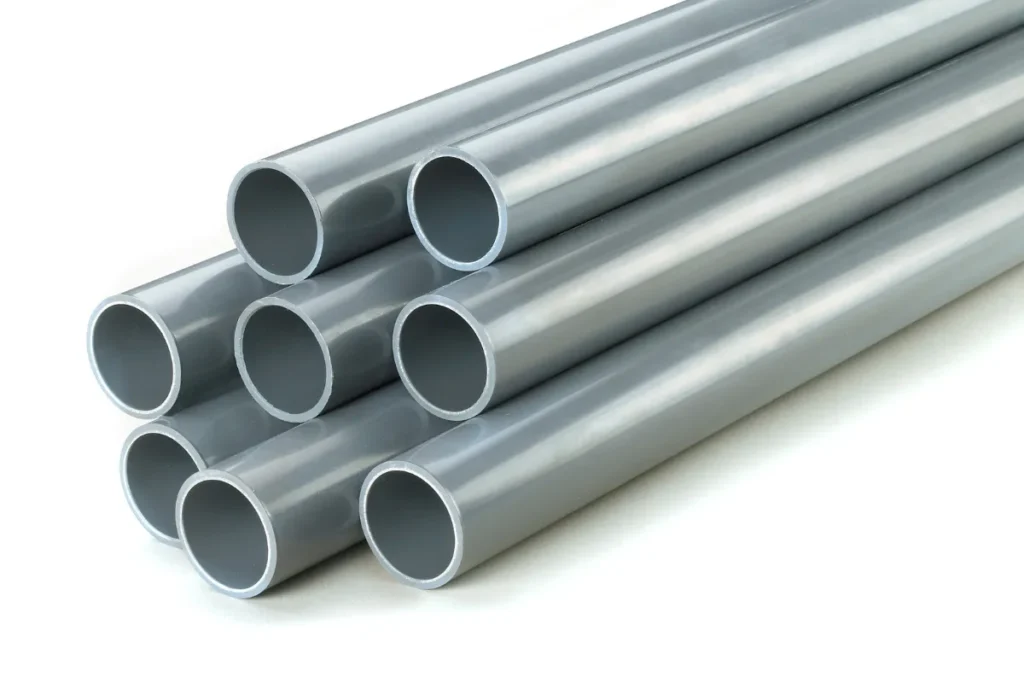
- Polyvinyl Chloride (PVC): PVC is durable and adaptable, but it also can break. In comparison, custom HDPE maintains its flexibility and durability. For a detailed breakdown, see our guide on PVC vs HDPE pipe.
- Polyethylene Terephthalate (PET): PET is commonly used in bottles and packaging. So, HDPE is better for heavy-duty uses.
- Acrylonitrile Butadiene Styrene (ABS): ABS is tough and impact-resistant. But it doesn’t perform well in chemical environments. HDPE’s chemical resistance makes it the better choice for such applications.
Fabrication Techniques for Custom HDPE and Other Plastics
The manufacturing method of plastics has a big impact on how well they work. Custom HDPE and other plastics use a variety of methods, including:
- Molding: It is possible to mold HDPE and other polymers, such as PVC and ABS, into complex forms. But, in some situations, HDPE’s elasticity makes molding easier.
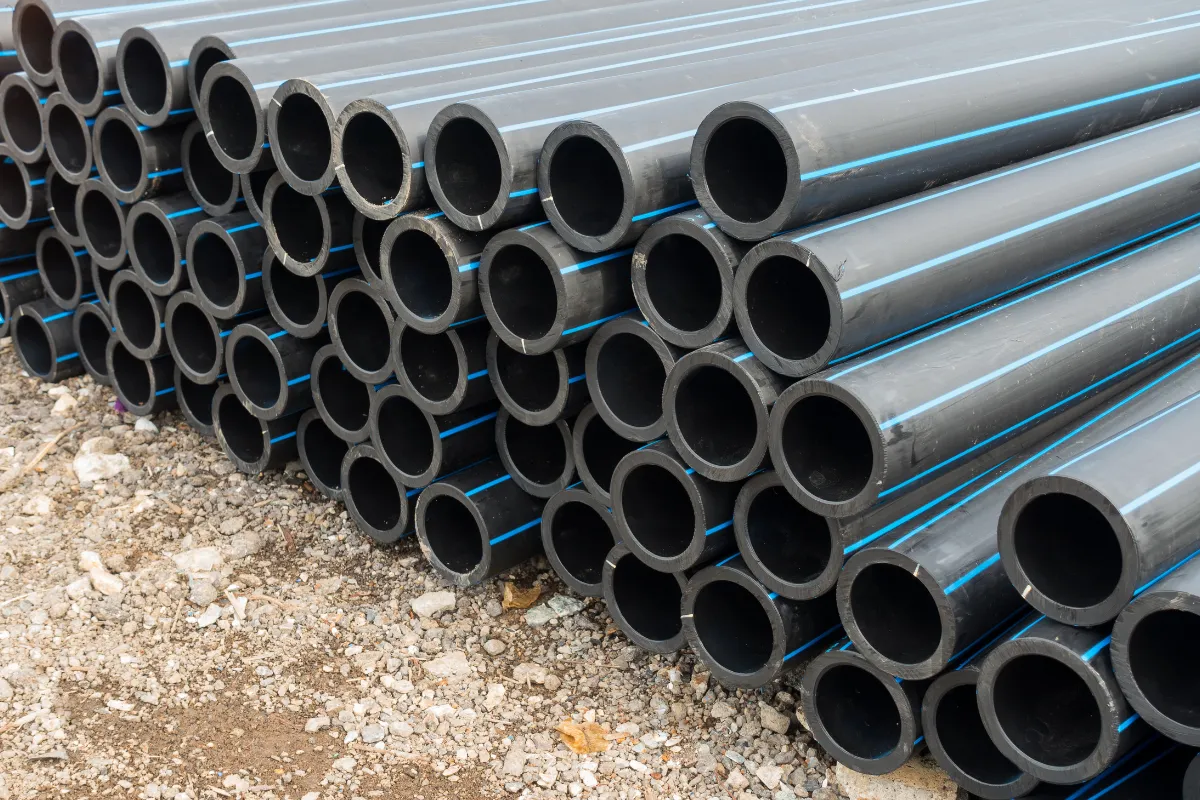
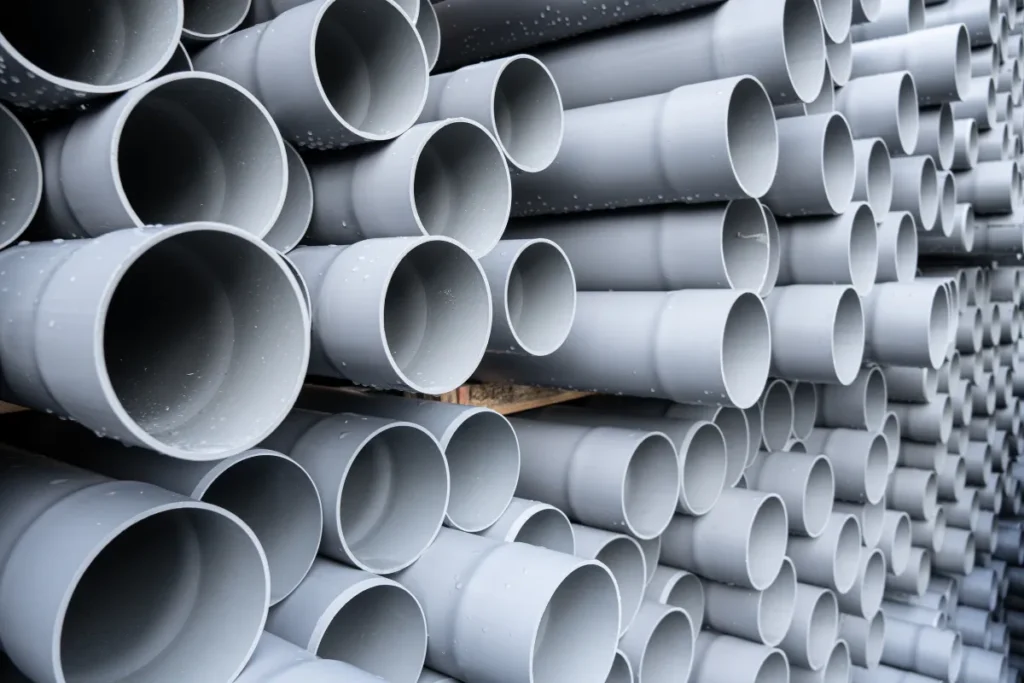
- Extrusion: It is standard procedure to extrude HDPE into rods, sheets, and pipes. PP and PVC are both treated in this way. However, HDPE is best suited for industrial pipes because of its unique qualities.
- CNC Machining: CNC machines are capable of precisely cutting and shaping custom HDPE. This also works for ABS and PVC, but HDPE lasts longer and is more reliable for tough applications.
Customization has an impact on the process of production. For example, you need specific tools to change the density of HDPE or add UV resistance. Customization ensures that the material satisfies predicted industrial criteria.
Cost Efficiency and Sustainability of Custom HDPE vs Other Plastics
Custom HDPE offers excellent value for the money cost:
- Material Costs: Even though HDPE costs more than some other polymers. However, its performance and durability make the difference.
- Long-Term Savings: HDPE’s longer lifespan helps to reduce frequent replacements. As a result, this lowers costs.
- Recyclability: One of the most recyclable polymers is HDPE. HDPE plastic recycling has less of an impact on the environment than PVC.
Applications of Custom HDPE in Industrial Settings
Custom HDPE is used across a variety of industry sectors, such as:
- Construction: Construction projects use HDPE plastic properties, panels, and blocks. They are flexible and give better longevity.
- Automotive: Industries use HDPE for protective coverings, automotive parts, and fuel tanks.
- Manufacturing: HDPE is perfect for machinery parts exposed to chemicals. It is also perfect for storage bins and containers.
Choosing the Right Material for Your Needs
When comparing custom HDPE vs. other plastics, custom HDPE is an excellent choice. It has benefits over other polymers due to its strength and flexibility. When choosing thermoplastics, consider strength, cost, and how they are made. Custom HDPE is a strong and eco-friendly choice for many industries.
Frequently Asked Questions
Is HDPE better than plastic?
Indeed it is! It’s better because of its strength, durability, and recyclable nature.
Which is better, HDPE or LDPE?
HDPE is stronger, more durable, and more heat-resistant. LDPE is perfect for lightweight items since it is lighter and more flexible.
Does HDPE crack easily?
No, HDPE does not crack easily. It is best known for its high strength and durability.
Is HDPE waterproof?
Yes, HDPE is waterproof. It has excellent water-resistant properties.
Is HDPE flammable?
HDPE is flammable, but it has a high ignition temperature (around 340°C or 644°F) and burns slowly.