
In the toughest environments, some materials just can’t last. Wood splits apart, steel rusts away, and other plastics often crack under pressure. This is where a special material, the HDPE board, comes into play. It’s the secret hero behind everything from boat parts to industrial tanks.
What Exactly is an HDPE Board?
An HDPE board is a solid, flat sheet made from High-Density Polyethylene. It’s a building block for thousands of plastic products. It’s made by melting down tiny plastic pellets and then pressing them into a strong, uniform sheet.
Unlike wood or metal, this high-density polyethylene board is a single, solid material all the way through. It has no grains that can split and no surface that can peel away or corrode over time.
Among the many benefits of HDPE, its unique chemical makeup makes it naturally waterproof and resistant to most chemicals.

The Top 5 Benefits of Using an HDPE Plastic Board
So why do so many fabricators and engineers choose HDPE over other materials? It really comes down to a few major advantages that solve common problems.
1. Extreme Durability & Impact Resistance
HDPE is incredibly tough and resilient. It can be dropped, hit, and bent without cracking or shattering. This is a common failure point for other plastics. This makes it perfect for wall liners in barns or custom machine guards.
2. Moisture & Chemical Resistance
This is one of its most powerful features. An HDPE plastic board does not absorb any water, which means it will never swell, rot, or grow mildew. It also stands up to harsh acids and cleaning agents without breaking down.
3. Easy to Fabricate & Weld
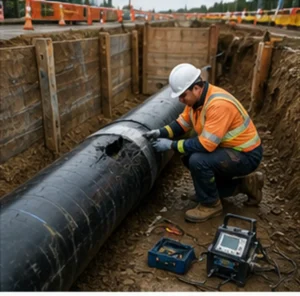
You can easily cut, drill, and shape HDPE sheets with standard woodworking tools. More importantly, it can be permanently joined together using specialized HDPE welding techniques. This allows skilled fabricators to create seamless, leak-proof structures from flat sheets.

4. UV Resistance & Weatherproof
Many types of HDPE sheets are designed specifically for outdoor use. They contain special UV inhibitors that prevent the sun’s rays from making the material brittle or discolored. This is why it’s so popular in marine construction, as it can easily handle sunlight exposure.
5. FDA-Approved & Safe for Food Contact
Certain grades of HDPE are FDA-approved because they are non-toxic and safe for direct contact with food. This is why you see large white polyethylene board sheets used as the standard for commercial cutting boards and food processing surfaces.
Common Uses: Where You’ll Find This Versatile Material
Because of its amazing properties, you will find this material in a huge range of applications. A few common examples include:
- Industrial: Chemical tanks, pipe flanges, and wear-resistant liners for chutes.
- Marine: Boat seats, cabinets, and other components that replace rotted wood.
- Commercial: Large-scale cutting boards, retail store fixtures, and playground equipment.
- Custom Projects: It’s a favorite for all kinds of custom fabrication projects, from battery boxes to specialized parts.
Working with HDPE: Tips from the Experts
HDPE is a user-friendly material. But if you want professional results, it requires experience. You need the proper measurements and the correct thickness for the job.
For any project that requires leak-proof seams or complex shapes, thermal welding is the only way to go. This process, when done by a skilled technician, guarantees a permanent and reliable bond that will never fail.
The Takeaway: A Material You Can Count On
So, the HDPE board is much more than just a simple sheet of plastic. It is a true problem-solver, offering incredible resistance to water, chemicals, and heavy impacts all in one package. This unique combination makes it a reliable and cost-effective choice for countless projects.