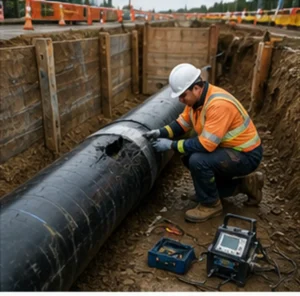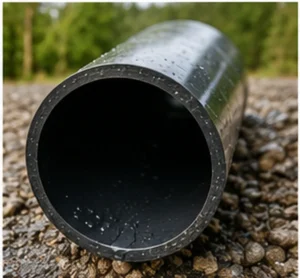
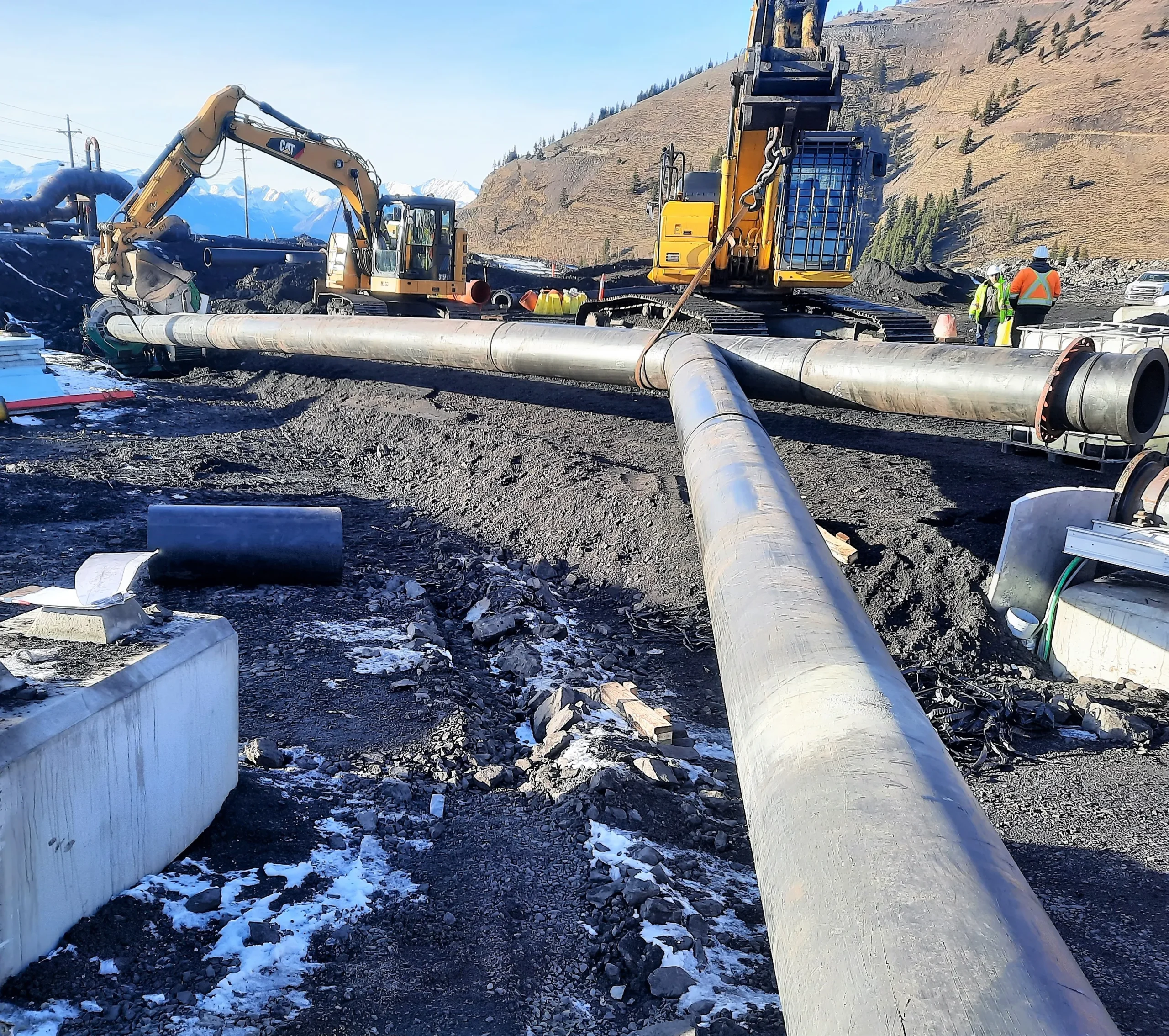
In the dynamic landscape of pipe joining methods, the choice between different techniques can significantly impact the efficiency, durability, and overall success of a project. We are “WGS Plastic Services” understand the importance of making informed decisions when it comes to pipe joining, and that’s why we’re diving into a comparative exploration of HDPE fusion against other popular joining methods. Let’s weigh the pros and cons to help you navigate the options effectively.
1. Welding: A Traditional Approach
Pros:
- Proven Reliability: Welding has been a staple in pipe joining for decades, demonstrating a proven track record of reliability.
- Suitable for Various Materials: Welding is versatile and can be applied to different materials, including metals.
Cons:
- Labor-Intensive: Welding often requires skilled labor, making it labor-intensive and potentially more expensive.
- Potential for Weak Points: Welded joints may introduce weak points susceptible to corrosion over time.

2. Threaded Connections: Simplicity with Drawbacks
Pros:
- Ease of Installation: Threaded connections are relatively simple to install, requiring minimal training.
- Modularity: Easy disassembly for maintenance or modifications.
Cons:
- Susceptible to Leakage: The threading process can create micro-gaps, making these connections more susceptible to leakage.
- Limited to Certain Materials: Threaded connections are typically limited to certain materials, restricting their versatility.
3. Flange Connections: Heavy-Duty but Cumbersome
Pros:
- High Pressure Handling: Flange connections are known for their ability to handle high-pressure applications.
- Accessible for Inspection: The flanged joints are easily accessible for inspection and maintenance.
Cons:
- Complex Installation: Installation of flange connections is more complex, often requiring skilled professionals.
- Prone to Corrosion: Corrosion at the flange joint can be a concern, necessitating regular inspections.
4. HDPE Fusion: Innovation in Action
Pros:
- Seamless Joints: HDPE fusion creates seamless joints, minimizing the risk of leakage and providing superior integrity.
- Corrosion Resistance: HDPE is inherently resistant to corrosion, enhancing the durability of the entire system.
- Energy Efficiency: HDPE fusion requires less energy compared to some traditional methods, contributing to lower carbon footprints. See how this plays out in HDPE fusion in water infrastructure systems.
Cons:
- Initial Training Required: HDPE fusion requires proper training for technicians to ensure correct implementation. Read our step-by-step guide on how to fuse HDPE pipes to understand what proper training covers.
- Not Suitable for All Materials: While highly versatile, HDPE fusion is specifically designed for high-density polyethylene and may not be suitable for all materials.

Conclusion: HDPE Fusion – A Modern Marvel
While each pipe joining method has its merits, HDPE fusion emerges as a modern marvel, combining versatility, durability, and sustainability. Its seamless joints, corrosion resistance, and energy efficiency set it apart in an industry where innovation is key to building resilient infrastructure.
We are WGS Plastic Services, and we champion HDPE fusion as a transformative solution that not only meets industry standards but sets new benchmarks for excellence. The initial training investment for HDPE fusion pays off in long-term benefits, making it a cost-effective and sustainable choice for a wide range of applications.
As the world continues to evolve, so does the demand for efficient and environmentally conscious solutions. HDPE fusion, with its array of advantages, is not just a pipe joining method; it’s a forward-thinking approach to building the infrastructure of tomorrow. Join WGS Plastic Services in embracing the future of pipe joining – where innovation meets reliability, and sustainability is the foundation of success.