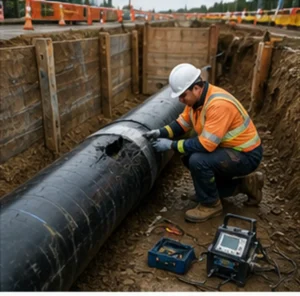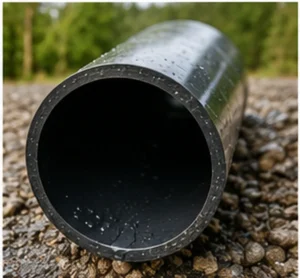

Are you looking to learn how to fuse HDPE pipes? HDPE (High-Density Polyethylene) pipes are a popular choice for a wide range of applications due to their durability, flexibility, and resistance to corrosion. In this essential guide, we will walk you through the basics of HDPE pipes, the importance of proper pipe fusion, how to prepare for HDPE pipe fusion, a step-by-step guide to fusing HDPE pipes, common challenges and troubleshooting tips, and best practices for ensuring the long-term success of fused HDPE pipes.
The Significance of Proper Pipe Fusion
Achieving a flawless fusion of HDPE pipes is pivotal for the system’s overall functionality and longevity. A seamless and robust bond between the pipes not only eliminates the risk of leaks but also ensures the integrity of the flow throughout the network. This level of precision in fusion prevents potential failures that could lead to costly repairs and operational downtime. Adhering to established fusion protocols and employing the correct techniques are fundamental steps in cultivating a reliable and efficient system.
By focusing on the quality of the fusion process, installers can secure a continuous and unimpeded piping system, safeguarding against the common pitfalls associated with improper joining methods. It’s this meticulous attention to the fusion process that underpins the successful deployment of HDPE piping in critical applications, reinforcing the value of expert knowledge and precision in every joint created.

Butt Fusion Method
When mastering how to fuse HDPE pipes using the Butt Fusion Method, precision and adherence to a structured process are key.
Pipes Aligning
This begins with securing the HDPE pipes within the fusion machine and adjusting the pipes within the machine until proper alignment is obtained. After the pipes are properly aligned, both ends of HDPE pipe are to be cleaned and planned with a facer tool (a rotating disk with embedded cutting blades) that plane away all of the oxidized material from the ends of both pipes until both pipe ends are flat and smooth with a virgin material finish. Proper alignment to ensure the fusion interface is consistent and facing the pipes is a crucial step in the fusion process. A thorough uniform and strong joint will not be possible without removing the oxidized material.
Heating Phase
During the heating phase, the pipe ends are brought into contact with a hot plate set at a manufacturer-recommended temperature. This crucial step requires careful monitoring to ensure the pipe ends reach the exact temperature needed to achieve a molten state, preparing them for fusion. It’s essential to take your time with this phase, as the quality of the bond depends on the thoroughness of the heating.
Joining Phase
The joining phase involves removing the hot plate and promptly pressing the molten ends of the pipes together. This step requires applying a specific force to ensure the molten HDPE materials from each pipe end mix well, creating a homogenous and enduring bond. The precision of force and timing in this phase cannot be overstated, as it directly impacts the integrity of the fusion.
Cooling Phase
Finally, the cooling phase is where the newly formed joint must be held in precise alignment under controlled pressure, as recommended by the fusion equipment guidelines. This period allows the joint to solidify properly, forming a strong bond that maintains the integrity of the pipe system. Disturbances or deviations in pressure during this stage can weaken the joint, underscoring the importance of stability and patience throughout the cooling process.
This methodical approach to the Butt Fusion Method highlights the critical steps involved in creating a durable, leak-proof system when fusing HDPE pipes.

Electrofusion Method
The Electrofusion Method offers a distinct approach to how to fuse HDPE pipes, particularly suited for situations where traditional butt fusion techniques might be challenging to implement. This method relies on the use of special fittings equipped with embedded heating elements to create the fusion. See how these methods compare to other pipe joining methods for your project needs.
Electrofusion Fittings
The initial step involves preparing the electrofusion fittings carefully. Ensure they are clean and free from defects. Similarly, thoroughly clean the surfaces of the HDPE pipes to remove dirt, dust, or other contaminants that might hinder the fusion process. Accurate marking of the pipe ends is critical. This ensures that the pipes are inserted into the fittings to the correct depth.
Connecting Pipes
After the preparation phase, the pipes are securely clamped. This maintains alignment and prevents any movement during the fusion process. Next, the electrofusion fittings are connected to the electrofusion machine. This machine supplies the electric current needed to heat the fittings’ elements. The current heats the HDPE pipe and the inner surface of the fitting to the melting point. As the materials cool, they fuse.
Heating and Cooling Cycles
The heating and cooling cycles are critical in the electrofusion method. Following the manufacturer’s recommended times for each cycle is essential. The heating cycle must be long enough to achieve a uniform melt across the joining surfaces. The cooling cycle must provide sufficient time for the joint to solidify and gain strength. Careful monitoring during these cycles ensures a durable and reliable joint, contributing to the long-term success of the HDPE piping system.

Common Challenges and Troubleshooting in HDPE Pipe Fusion
During the HDPE pipe fusion process, several challenges may emerge, often leading to complications that can impact the quality and durability of the fusion. One frequent issue encountered is insufficient heating of the pipe ends, which can prevent the formation of a solid bond. Additionally, applying incorrect pressure during the fusion can either weaken the joint or cause it not to fuse properly. Contaminants within the fusion zone are another common hurdle, as they can interfere with the integrity of the joint.
The fusion area must be meticulously cleaned and faced to a completely smooth and virgin material finish to eliminate any potential contaminants. In the case of misalignment, re-adjusting the pipes to achieve proper alignment before proceeding with the fusion process is necessary. By promptly identifying and addressing these issues, the fusion process can proceed smoothly, leading to a strong and reliable HDPE pipe welding system.
Best Practices for Ensuring Long-Term Success of Fused HDPE Pipes
For the enduring performance of fused HDPE pipes, adhering to key practices is crucial. Ensure the fusion equipment is consistently checked for accurate operation and calibration. Regularly survey the joints to detect early signs of wear or leakage. It’s imperative to handle the pipes correctly, avoiding undue stress that could compromise their structure.
Emphasize the importance of using established handling and installation methodologies to mitigate potential damage. Additionally, providing comprehensive training on fusion techniques and safety measures for the team is essential. By implementing these strategies, the integrity and functionality of the HDPE piping system can be preserved over time.

Conclusion
In wrapping up our comprehensive guide on how to fuse HDPE pipes, we’ve covered the foundational knowledge and detailed methodologies. If you’re seeking professional HDPE fusion services that guarantee quality and efficiency, look no further than WGS Plastic Services. Our experienced team is equipped to provide you with top-tier fusion solutions, tailored to meet your project’s unique requirements.
For expert assistance and to learn more about our services, contact WGS Plastics today. Together, we can achieve seamless results for your HDPE piping needs.