Not every project can be solved with an off-the-shelf part. In many industrial, water, construction, and infrastructure applications, the best result comes from a component that is designed around the exact conditions of the job.
If you have been asking when to choose custom HDPE fabrication, the answer usually comes down to fit, performance, system requirements, and whether standard parts can truly handle the demands of the application without creating compromises.
For projects with unique layouts, connection points, environmental demands, or operational requirements, custom HDPE fabrication can provide a much better long-term solution than forcing a standard part into a non-standard situation.
Why standard components do not always solve the problem
Standard components work well when the project conditions are predictable and the required dimensions, fittings, and configurations are common.
But some projects involve:
- unusual dimensions
- site-specific layouts
- unique flow requirements
- specialized containment needs
- integration with existing systems
- environmental demands that require a more tailored solution
In those cases, using a standard component may create unnecessary complexity, extra joints, limited performance, or a less efficient installation process.
What custom HDPE fabrication usually involves
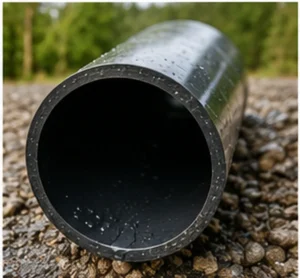
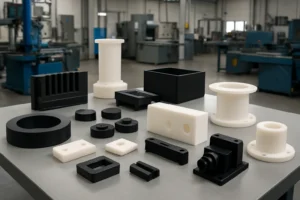
Custom fabrication means a component or assembly is built to suit the exact needs of the project rather than being selected from a limited catalogue of standard options.
That may include:
- custom tanks
- manholes
- reducers
- transitions
- specialty fittings
- containment structures
- application-specific piping assemblies
- fabricated components for industrial systems
This is where broader custom plastic fabrication services become especially valuable, because the project can be approached based on performance needs instead of standard inventory constraints.
When custom fabrication makes the most sense
There are a few common scenarios where custom HDPE fabrication becomes the better choice.
When the site conditions are unique
If a project has limited space, awkward geometry, unusual access, or a layout that does not suit standard parts, custom fabrication can simplify the installation and improve the fit.
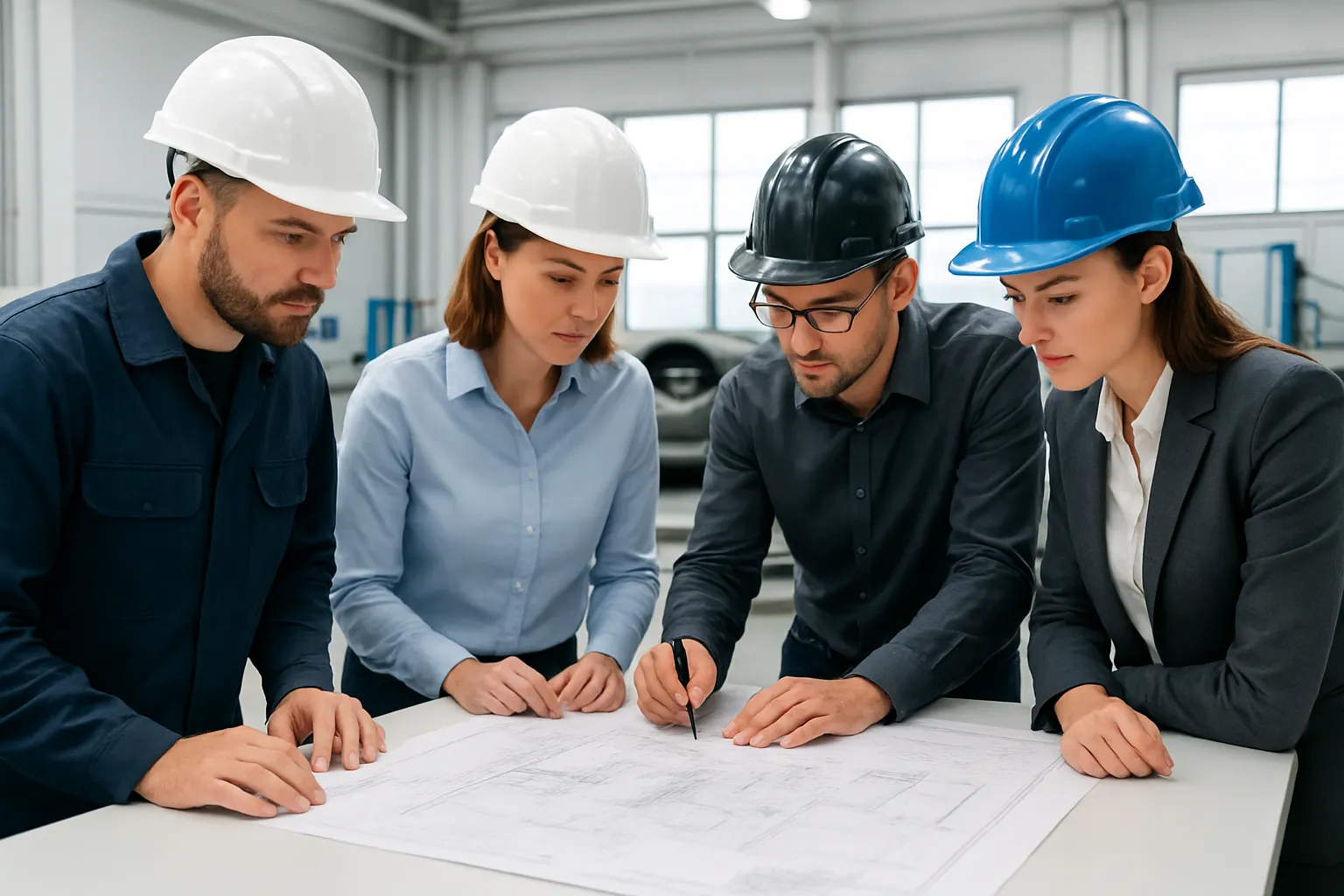
When multiple components need to work together
Some jobs involve more than one isolated part. They require a system where dimensions, connections, and transitions all need to line up precisely.
When durability and performance are critical
If the component will operate in a demanding environment, getting the design right from the start matters more than forcing a general-purpose option to work.
When reducing field modifications matters
The more adaptation that has to happen on-site, the more room there is for delays, inconsistencies, and inefficiencies. A better custom-fabricated part can reduce that friction significantly.
Custom fabrication can improve installation efficiency
Many project teams focus first on material cost, but installation efficiency can be just as important.
A custom-fabricated solution may help by:
- reducing extra field adjustments
- improving fit during assembly
- minimizing unnecessary joints
- simplifying integration with existing systems
- making on-site work more predictable
In many cases, the right custom solution is not just about the part itself. It is about making the whole installation process smoother.
Why project-specific HDPE components are often worth it
A standard part may appear simpler at first, but a custom component can create value by solving the actual problem more directly.
That may mean:
- better system compatibility
- fewer compromises
- stronger performance in the intended application
- cleaner fabrication outcomes
- easier installation coordination
- more confidence in long-term use
Custom work is especially useful when the project is too important to leave performance up to approximation.
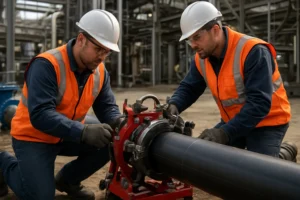
A good example: custom manhole fabrication
Some project requirements cannot be met properly by relying on standard manhole designs. Connection points, dimensions, and system integration may all vary depending on the site and surrounding infrastructure.
That is where a custom HDPE manhole solution can make more sense, especially when the project calls for a more exact fit and more reliable performance under specific conditions.
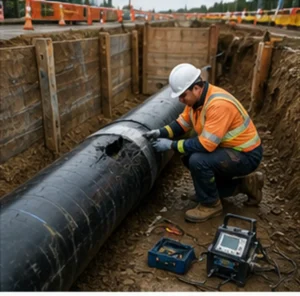
Fabrication and fusion often go hand in hand
For many projects, fabricated HDPE components are only one part of the solution. The joining process matters just as much.
That is why HDPE fusion is often part of the broader conversation. A well-designed fabricated component performs best when it is paired with the right installation and joining approach.
Questions to ask before choosing custom over standard
If you are deciding whether custom fabrication is necessary, a few questions can help:
- Does a standard part actually fit the project requirements?
- Will field modifications create unnecessary complexity?
- Are there unique dimensions or connection points involved?
- Is the application operating in a demanding environment?
- Would a custom solution improve installation efficiency?
- Is long-term system performance more important than short-term convenience?
The answers usually make the direction much clearer.
Custom does not mean overbuilt
Some teams hesitate because they assume custom always means more complexity than they need. In practice, custom fabrication is often about solving the job more cleanly, not making it more complicated.
The goal is not to overengineer. The goal is to match the component to the application properly.
The right choice depends on the project, not the catalogue
Standard components have their place. But when the project involves specialized conditions, system compatibility issues, or performance demands that standard parts do not address well, custom fabrication may be the smarter route.
A well-planned HDPE solution is not just about what is available. It is about what the job actually requires.
Ready to discuss a custom solution?
If your project has unique requirements and you are weighing standard components against a more tailored approach, it helps to review the application before locking into the wrong part. You can get a quote and start the conversation around what your system actually needs.
FAQ
What is custom HDPE fabrication?
Custom HDPE fabrication is the process of building HDPE components or assemblies to match specific project requirements instead of relying only on standard pre-made parts.
When should I choose custom HDPE fabrication?
It makes sense when the project involves unique dimensions, specialized layouts, demanding environments, or system requirements that standard components do not handle well.
Is custom fabrication only for large industrial projects?
Not always. It is useful whenever the application needs a better fit, more precise integration, or a more specialized solution.
Why not just modify a standard HDPE component on-site?
On-site modifications can add complexity, create fit issues, and slow installation. A better-fabricated solution may reduce those problems.
Does fabrication also involve installation support?
Often, custom fabrication discussions also connect to HDPE joining and system integration, especially when the final component needs to fit into a larger installed system.