The Alberta oil sands are one of the most demanding environments on Earth for industrial equipment. Between the extreme temperatures, abrasive sand, and high-pressure requirements, traditional piping systems often fail.
For decades, steel was the standard. However, steel rusts, corrodes, and wears down quickly when moving heavy bitumen slurries. Today, HDPE (High-Density Polyethylene) pipe has become the go-to solution for oil sands operations.
Why is HDPE used in the Alberta Oil Sands?
HDPE pipe is used in the Alberta oil sands because it is immune to corrosion and highly resistant to abrasion from sand and bitumen. Unlike steel, it does not rust when exposed to moisture or chemicals. Additionally, when joined using heat fusion, it creates a “leak-free” system that can handle the high-pressure demands of mining and extraction without the need for expensive gaskets or joints.
The Problem with Traditional Pipes in Northern Alberta
In the oil sands, pipes carry a mixture of water, sand, and bitumen (thick oil). This mixture is called “slurry.”
- Corrosion: Steel pipes react with the chemicals and water in the slurry. Over time, the metal thins and eventually leaks.
- Abrasion: The sand in the slurry acts like sandpaper. It grinds away the inside of metal pipes.
- The “Deep Freeze”: Northern Alberta sees temperatures drop below -40°C. Metal pipes can become brittle, and the ground movement caused by freezing can snap rigid joints.
HDPE pipe in Canada’s winter performs differently. It is flexible enough to move with the frozen ground without breaking.

Superior Corrosion Resistance
One of the biggest advantages of HDPE in industrial applications is that it is chemically inert. This means it does not react with the fluids it carries.
In the oil sands, this is a game-changer. Operators don’t have to worry about “pitting” or internal rust. This resistance extends the life of the pipeline by decades compared to carbon steel. Because it doesn’t corrode, there is also no risk of metal flakes breaking off and clogging expensive downstream equipment.
Handling High-Pressure Environments
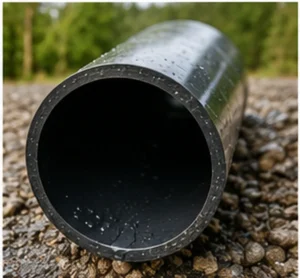
There is a common myth that plastic pipes can’t handle high pressure. This is false. By choosing the correct HDPE pipe size and Wall Thickness (known as the DR or Dimension Ratio), these pipes can be engineered for high-pressure oil field work.
Modern HDPE resins, like PE100, are designed specifically for high-stress environments. When you combine the right material with expert HDPE pipe welding, the entire pipeline acts as one single, continuous piece of plastic.
Abrasion Resistance: The Slurry Factor
The Alberta oil sands involve moving millions of tons of sand. In a steel pipe, this sand wears down the bottom of the pipe very quickly.
HDPE is naturally “slippery” and elastic. When a grain of sand hits the wall of an HDPE pipe, the surface slightly absorbs the impact and bounces back. This makes HDPE significantly more durable than steel or even specialized “hardened” metal pipes when transporting abrasive slurries.
The Power of the Fusion Joint
In an environment as sensitive as the Alberta oil sands, a leak can be an environmental and financial disaster. Traditional pipes use “mechanical joints” or bolts that can loosen over time.
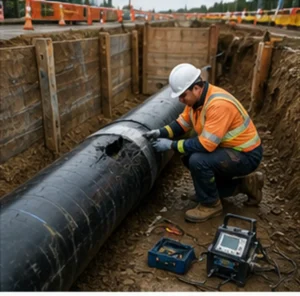
WGS Plastic Services specializes in how to fuse HDPE pipes using thermal heat. This process melts the two ends of the pipe together, creating a bond that is actually stronger than the pipe itself.
When comparing HDPE fusion to other pipe joining methods, fusion wins every time for oil sands work. It creates a “monolithic” (one-piece) line that has zero chance of leaking at the joints, even under high pressure or during ground shifts.
Faster Installation in Remote Areas
Getting heavy machinery and large crews into remote parts of Alberta is expensive. HDPE pipe is much lighter than steel. This makes it:
- Easier to transport to the job site.
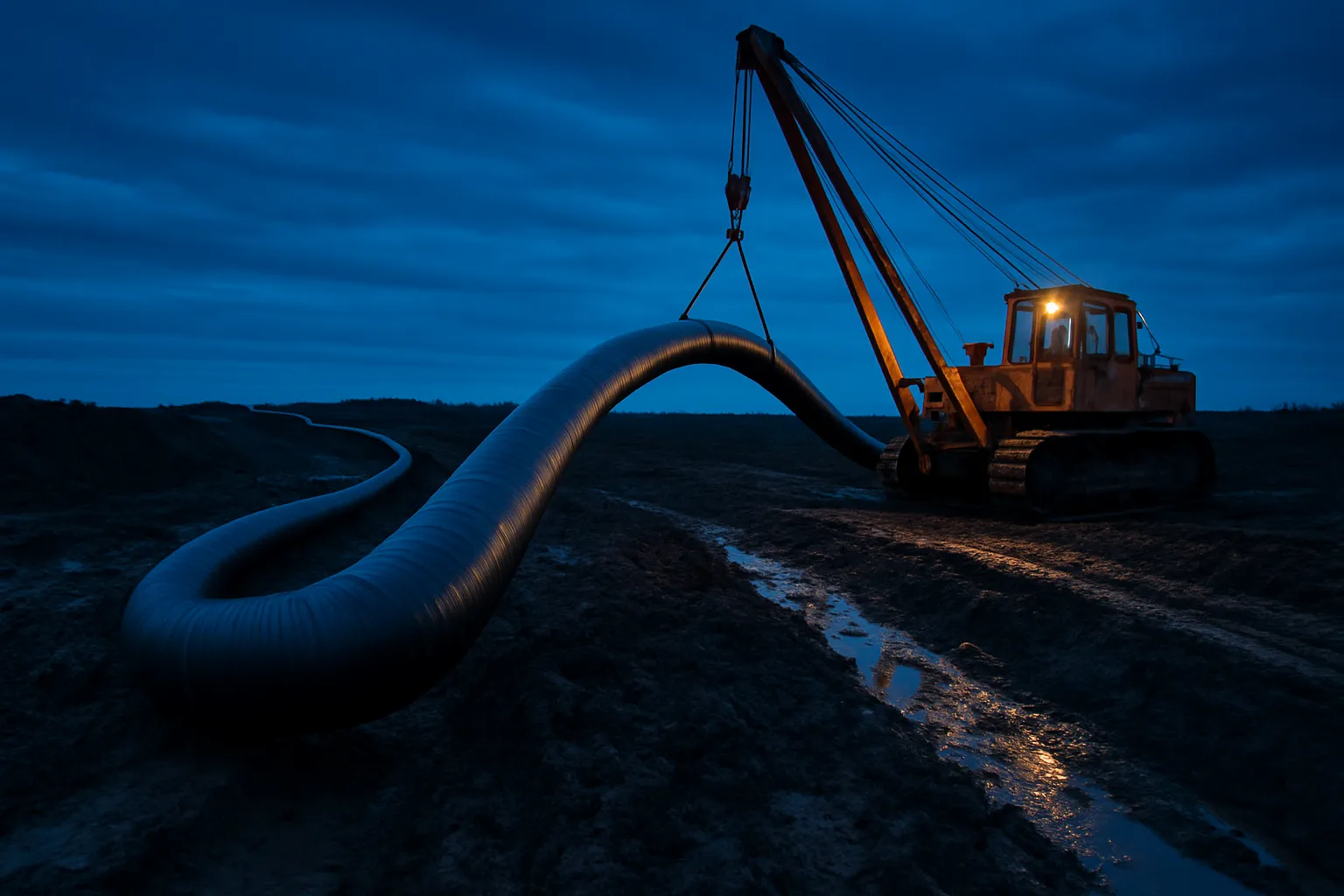
- Faster to install using smaller cranes.
- Ideal for “trenchless” installation if you need to go under a road or river.
Conclusion
For companies operating in the Alberta oil sands, the goal is to reduce “downtime.” Every hour spent fixing a corroded steel pipe is money lost. By switching to HDPE, companies get a system that resists corrosion, survives the Canadian winter, and stands up to the high-pressure demands of the oil patch.
If you are planning a project in a high-pressure or corrosive environment, WGS Plastic Services can help. We provide expert advice on custom plastic fabrication services and on-site fusion to ensure your infrastructure lasts for the long haul.
Ready to upgrade your piping system? Contact us today for a quote.