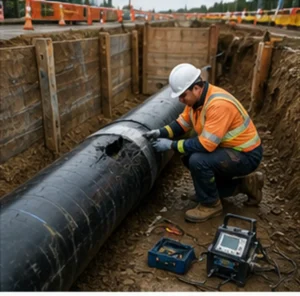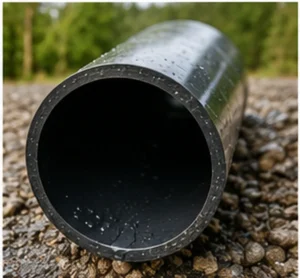
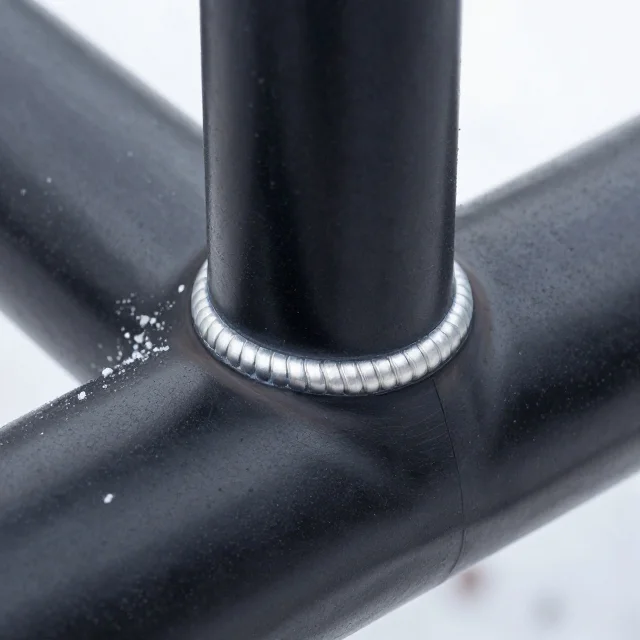
When winter hits Canada, construction doesn’t stop. High-Density Polyethylene (HDPE) is the best material for frozen ground, but installing it in the cold takes extra care. Sub-zero temperatures change how the plastic reacts to heat and pressure. If you don’t follow the right steps, your joints might fail later. Success depends on proper preparation, the right tools, and protecting the weld from the wind. Following these best practices ensures your pipeline remains leak-proof and strong, even in the harshest winter conditions.
What Are the Best Practices for HDPE Fusion Welding in Sub-Zero Temperatures?
The best practices for sub-zero HDPE fusion welding include using a protective shelter to block wind, pre-heating the pipe ends to remove frost, and increasing heating times based on cold-weather standards. It is critical to keep the fusion zone dry and free of snow. You must also allow for a longer cooling period inside the machine to prevent the joint from shrinking too quickly in the freezing air.

1. Use a Protective Shelter (Welding Tents)
The wind is the biggest enemy of HDPE pipe welding in the winter. Even a light breeze can cool down the heating plate too fast. This leads to a “cold joint,” which is weak and likely to break.
Always use a welding tent or shelter. This keeps the work area warm and dry. If possible, use a small heater inside the tent to keep the pipe at a stable temperature before you begin the fusion process.
2. Remove All Frost and Moisture
When you bring a cold pipe into a warm tent, “sweat” or condensation can form on the plastic. Moisture will ruin a weld.
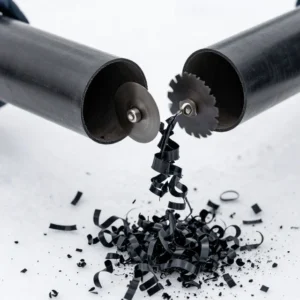
You must carefully clean the pipe ends. Use a lint-free cloth and an approved cleaner to remove ice, dirt, and oil. Make sure the HDPE fusion face is completely dry before the heater touches the plastic.
3. Adjusting Heating Times for the Cold
In the summer, the pipe is already warm. In the winter, it can be -20°C. It takes much longer for the heat to soak into the pipe wall.
- Follow ASTM Guidelines: Check the charts for cold-weather adjustments.
- Watch the Bead: You need to see a proper “melt bead” form on the pipe ends.
- Don’t Rush: Trying to speed up the process in the cold will result in a joint that looks good on the outside but is hollow or weak on the inside.
4. Proper Cooling is Critical
Many people make the mistake of taking the pipe out of the machine too early because they are in a hurry to get out of the cold.
In sub-zero temperatures, the outside of the pipe cools faster than the inside. This creates “stress” in the plastic. You must let the pipe cool under pressure for the full recommended time. This ensures the custom HDPE fabrication remains structurally sound.
5. Equipment Care in Winter
Hydraulic fluids in fusion machines can get thick and sluggish in the cold. This makes it hard to get the right pressure.
- Warm up the machine: Let the hydraulic system run for a few minutes before starting a weld.
- Check the heater temperature: Use a digital pyrometer to make sure the heating plate is at the exact temperature required. Don’t just trust the dial on the machine.
Why Choose HDPE for Winter Projects?
Despite the extra steps for welding, HDPE is still the best choice for Canada. Other pipes become brittle and snap, but cold weather and insulated HDPE pipes remain flexible. This prevents expensive breaks when the ground moves during the spring thaw.
Checklist for Winter HDPE Welding
| Step | Action Required |
| Shelter | Set up a tent to block wind and snow. |
| Cleaning | Remove all frost, ice, and condensation. |
| Facing | Face the pipe ends until they are perfectly flat. |
| Heating | Increase heating time to ensure a deep melt. |
| Cooling | Stay in the machine for the full cooling cycle. |
Get Expert Help for Your Winter Project
Fusion welding in the winter requires a high level of skill. At WGS Plastic Services, we understand the challenges of the Canadian climate. We provide the tools and expertise needed to make sure your project is done right the first time.
Do you have a winter project coming up?
Contact WGS Plastic Services today or Request a Quote to learn more about our winter-ready HDPE solutions.