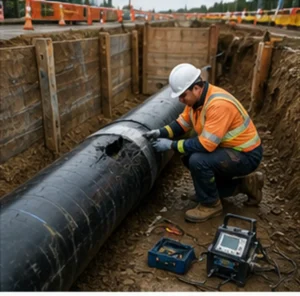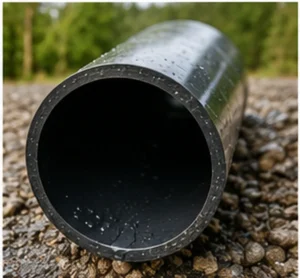

There is a common misconception that most plastic pipes are basically the same. This often leads to the question, “Is HDPE PVC?” These materials could not be more different in performance and reliability. We’re here to set the record straight by exploring the crucial distinctions in their strength, chemical resistance, and lifespan, so you can choose with confidence. If you want a deeper dive into the HDPE pipe vs PVC debate, keep reading to learn how to choose with confidence.
Is HDPE Stronger Than PVC?
The answer really depends on how you define “strong.” PVC is very rigid, so it resists bending. However, this rigidity can also make it brittle. If you hit it hard, especially in the cold, it can crack or shatter.
HDPE is much more flexible and can absorb impacts without breaking. So, for most real-world uses, HDPE is the stronger, more reliable choice.
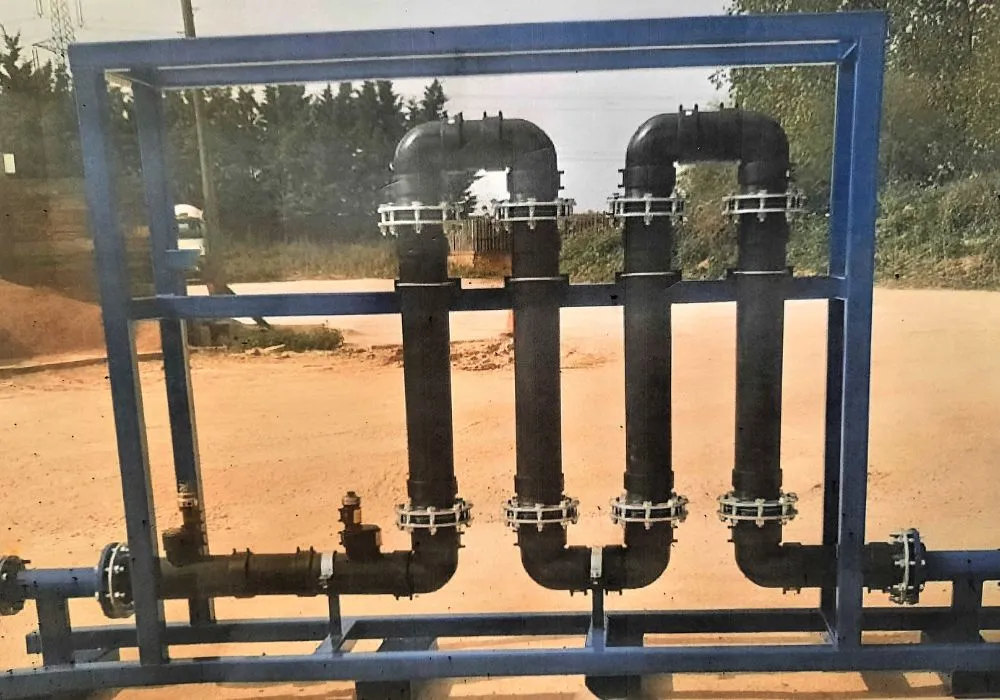
Comparing Key Features: HDPE vs. PVC
Let’s break down the main differences. Seeing them side-by-side can help you understand why you might choose one over the other.
| Feature | HDPE (High-Density Polyethylene) | PVC (Polyvinyl Chloride) |
| Strength & Durability | Extremely tough and impact-resistant | Rigid and strong but more brittle under pressure |
| Flexibility | Highly flexible and can bend without cracking | Limited flexibility, more likely to crack under stress |
| Weather Resistance | Excellent resistance to UV rays, cold, and moisture | Performs well but may degrade faster under direct sunlight |
| Chemical Resistance | Resistant to most acids, alkalis, and solvents | Good chemical resistance but less than HDPE |
| Temperature Range | Works well in both hot and cold environments | Best for moderate temperature applications |
| Maintenance | Low maintenance, resists corrosion and scaling | Easy to cut and join, but less forgiving of ground movement |
| Installation | Low maintenance, but may require sealing or coating | Recyclable, but less environmentally friendly to produce |
| Environmental Impact | 100% recyclable and eco-friendly | Rigid and strong, but more brittle under pressure |
| Lifespan | 25–50 years | 50–100 years |
| Cost | Slightly higher upfront cost, longer lifespan | Lower initial cost, shorter lifespan |
Which is Better: HDPE or PVC for Your Project?
Now for the most important question: which is better, HDPE or PVC for you? It all comes down to what you need to do. A comprehensive look at PVC vs HDPE pipe applications is essential before starting your installation.
Choose PVC for:
- Low-pressure plumbing, like under a sink.
- Sprinkler or irrigation systems where cost is the top priority.
- Projects where you need a stiff, rigid material.

Choose HDPE for:
- Important pipelines for water or gas that cannot leak.
- Industrial jobs where the plastic will be around chemicals.
- Projects in very cold or hot climates.
- Underground pipes need to be durable.
Conclusion
So, “Is HDPE PVC?” Absolutely not. They are two very different materials, each with its own set of advantages. The final choice is yours. But for tough jobs where you need peace of mind, experts trust HDPE to get it done right. If you have a demanding project, a professional team like WGS Plastic Services can provide the expertise you need.