Building infrastructure in Northern Canada is a massive challenge. In these regions, the ground is “permafrost,” meaning it stays frozen year-round. However, as temperatures rise, the top layer of soil can thaw and shift. This movement can easily snap traditional pipes made of steel or PVC. Because of this, High-Density Polyethylene (HDPE) has become the go-to material for the North. It offers the strength and flexibility needed to survive one of the harshest environments on Earth.
How Does HDPE Pipe Handle Permafrost in Northern Canada?
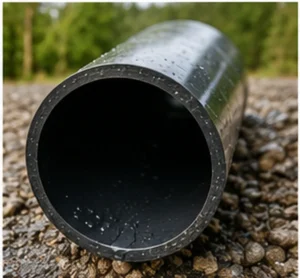
HDPE pipe handles permafrost by remaining ductile and flexible at temperatures as low as -70°C. Unlike rigid pipes that crack when the ground shifts, HDPE can bend and stretch to accommodate “thaw settlement” and “frost heave.” Its heat-fused joints create a leak-proof, one-piece system that stays intact even when the surrounding frozen soil moves significantly.
Why Permafrost is a Challenge for Piping
Permafrost isn’t just “frozen dirt.” It is a complex layer of ice and soil that changes with the seasons.
1. Thaw Settlement and Ground Movement
When the top layer of permafrost thaws in the summer, the ground can sink. This is called thaw settlement. Rigid pipes like PVC or ductile iron cannot move with the soil. They often snap or pull apart at the joints. Because HDPE pipe dimensions allow for high flexibility, the pipe simply bends to follow the new shape of the ground.
2. Extreme Thermal Contraction
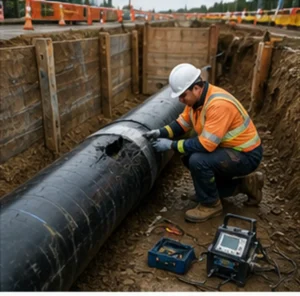
In the extreme cold of the Canadian North, materials shrink. If a pipe shrinks too much, the joints can fail. HDPE is joined using HDPE fusion, which melts the pipe ends together. This creates a single, continuous line. There are no gaskets or mechanical seals to fail when the pipe gets cold and tries to pull apart.
Key Benefits of Using HDPE in the North
Cold-Weather Durability
Most plastics become as brittle as glass when it gets very cold. HDPE is different. It maintains its impact strength in sub-zero weather. This is why cold weather and insulated HDPE pipes are the standard for mining and municipal water lines in the Arctic.
Insulated Options for Flow Assurance
In the North, it isn’t enough for the pipe to stay in one piece; the liquid inside must stay moving. WGS provides custom HDPE fabrication for pre-insulated pipe systems. These systems use a “jacket” to keep the heat inside the pipe, preventing the water or waste from freezing solid in the winter.
Trenchless Installation
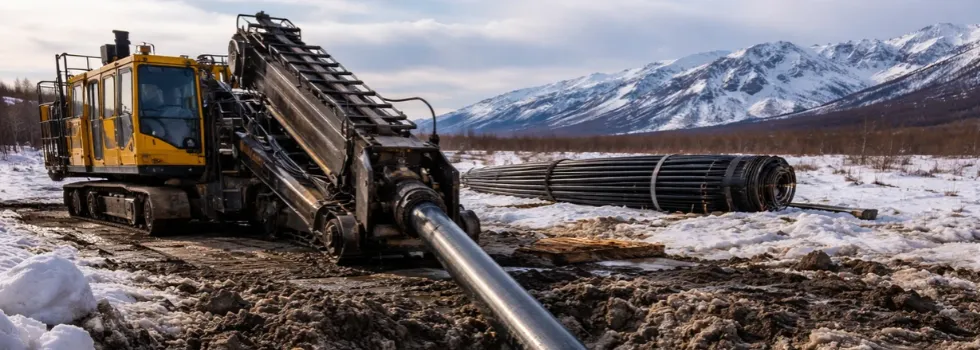
In many permafrost zones, digging deep trenches is difficult and expensive. Using HDPE in trenchless technology allows contractors to install pipes with minimal digging. This protects the sensitive permafrost layer and saves money on heavy equipment costs.
Comparing HDPE to Traditional Materials in Permafrost
| Feature | HDPE Pipe | Steel / Iron Pipe | PVC Pipe |
| Flexibility | Extremely High | Very Low | Low (Brittle) |
| Joint Strength | Fused (Stronger than pipe) | Welded or Gasket | Glued or Gasket |
| Freeze Tolerance | Expands without bursting | Will burst | Will shatter |
| Corrosion | None | High Risk | None |
Protecting the Environment with Dual Containment
In sensitive Northern ecosystems, a leak can be a disaster. For industrial projects, we recommend dual containment HDPE pipe. This “pipe-within-a-pipe” design adds an extra layer of safety. If the inner pipe should ever leak due to extreme ground movement, the outer pipe catches the fluid before it hits the frozen soil.
The Reliable Choice for the Arctic
HDPE is the only material that can truly handle the “freeze and squeeze” of Canadian permafrost. Its ability to bend without breaking and its leak-proof joints make it the most cost-effective choice for the long term.
Does your Northern project need specialized piping?
WGS Plastic Services can help with everything from custom HDPE manholes to high-pressure fusion.
Contact WGS Plastic Services today or Request a Quote to discuss your permafrost piping needs.